

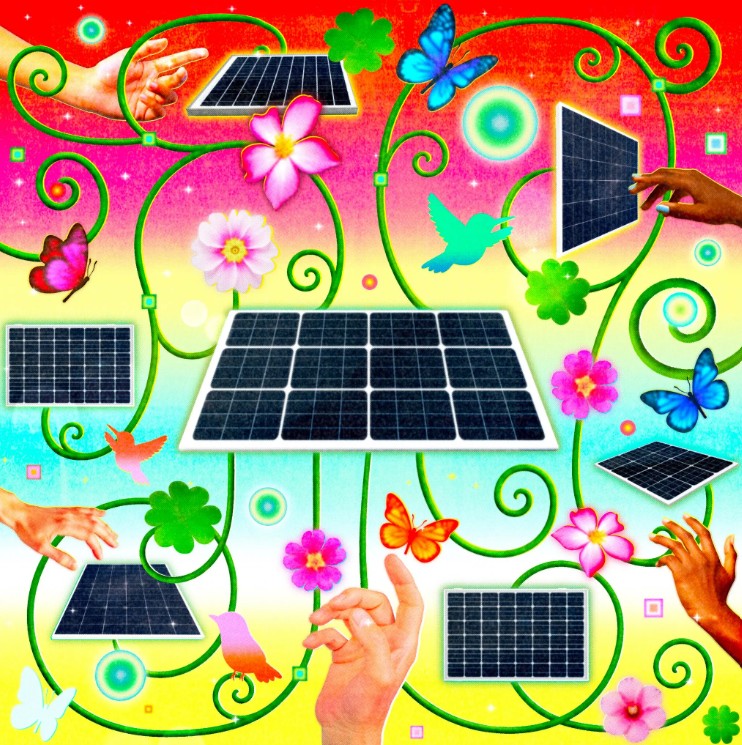
Plug-in solar systems, already widely adopted in countries such as Germany, could soon reshape access to renewable energy in the United States. These compact systems, often called balcony, garden, or plug-in solar, consist of small solar panels paired with a microinverter that allows electricity to flow directly into a home’s electrical circuits through a standard wall outlet. Typically producing up to 1,200 watts of power, they can offset a household’s electricity consumption at a fraction of the cost of conventional rooftop solar installations, tells The New York Times (full article available to subscribers).
The technology is attracting growing interest across the United States. More than 30 states have either passed legislation permitting plug-in solar systems or are considering similar measures. Utah became the first state to legalize the sale, reflecting bipartisan support for expanding access to renewable energy.
One of the strongest arguments for plug-in solar is its potential to broaden participation in clean energy. Traditional rooftop solar remains out of reach for many Americans because of high installation costs, restrictive housing arrangements, or limited access to community solar programs. Renters, apartment residents, and condominium owners often have few opportunities to generate their own electricity. Plug-in solar offers these groups a practical way to reduce their carbon footprint and gain greater control over their energy use.
The article also highlights the unusually high cost of rooftop solar in the United States. A typical 7-kilowatt system can cost nearly three times as much as similar installations in Germany and several times more than in Australia. Much of this difference stems from permitting requirements, marketing expenses, and other nonhardware costs. Because plug-in solar systems are sold as consumer products and require minimal installation, they may avoid many of these barriers.
While technical and regulatory challenges remain, including safety certification and compatibility with U.S. electrical systems, supporters believe these issues can be resolved. The author cautions that plug-in solar will never replace the power grid, but argues that its affordability and accessibility can help Americans engage more directly with clean energy while supporting a broader transition toward an increasingly diverse and low-carbon energy future.
