

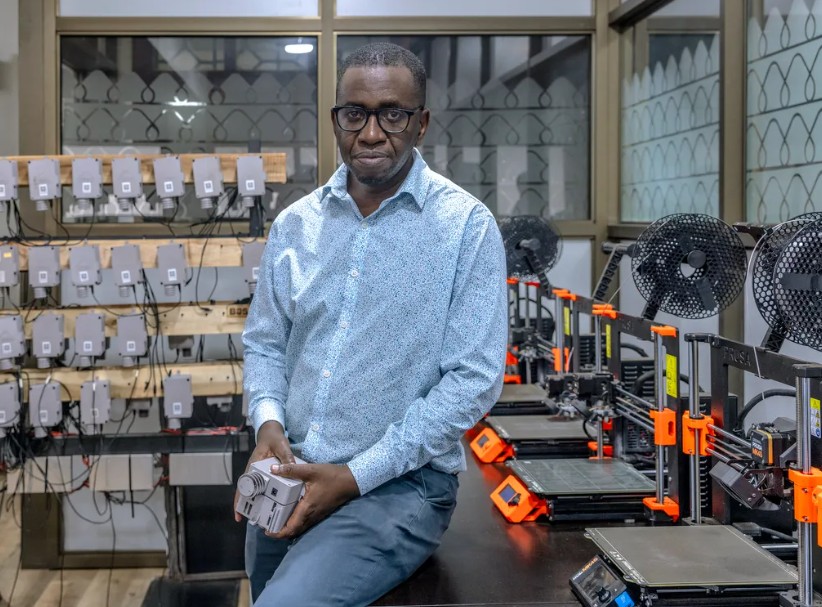
Despite improvements over recent years, access to essential engineering hardware in Africa—including 3D printers, sensors, and circuit components—remains severely limited, says this Tech Xplore article. Professor Oluwatosin Kolade from Makerere University in Kampala, Uganda, notes that undergraduate students often must personally fund their projects, creating significant financial barriers for those with constrained resources.
A major challenge lies in the supply chain: electronics components are primarily imported from overseas—China, Europe, or the United States—leading to lengthy shipping delays. Affordable shipping can take over 60 days, while faster options may cost multiples of the component’s price. Meanwhile, students in Europe receive parts within a week, allowing faster iteration cycles that African learners can’t match.
Strategies to Enhance Hardware Access
- Local Fabrication and Open Hardware
Deploying open-source, locally manufacturable tools can dramatically reduce costs and dependence on international supply chains. For example, the OpenFlexure Microscope—an automated, 3D-printed device—has been used in Ghanaian universities through AfricaOSH workshops. These initiatives provide hands-on experience and foster local fabrication capabilities. - Lab Hackathons for DIY Equipment
Events like LabHackathons empower students to design and build low-cost lab equipment using locally available materials. These competitions enable knowledge sharing, sustainability, and scalable solutions tailored to African contexts. - Open-Source Hardware for Scientific Equity
The open hardware movement has made notable strides in leveling the playing field. By promoting local production, sharing designs, and emphasizing standard parts with detailed documentation, open hardware improves access and capabilities in resource-limited laboratories.
Although hardware access for African students and researchers has improved, significant obstacles remain—from high costs and long shipping times to underfunded infrastructure. To bridge this gap, strategies such as embracing open-source hardware, fostering local fabrication, and organizing DIY lab competitions are vital. These approaches promote affordability, sustainability, and self-sufficiency, empowering the next generation of African innovators.
