

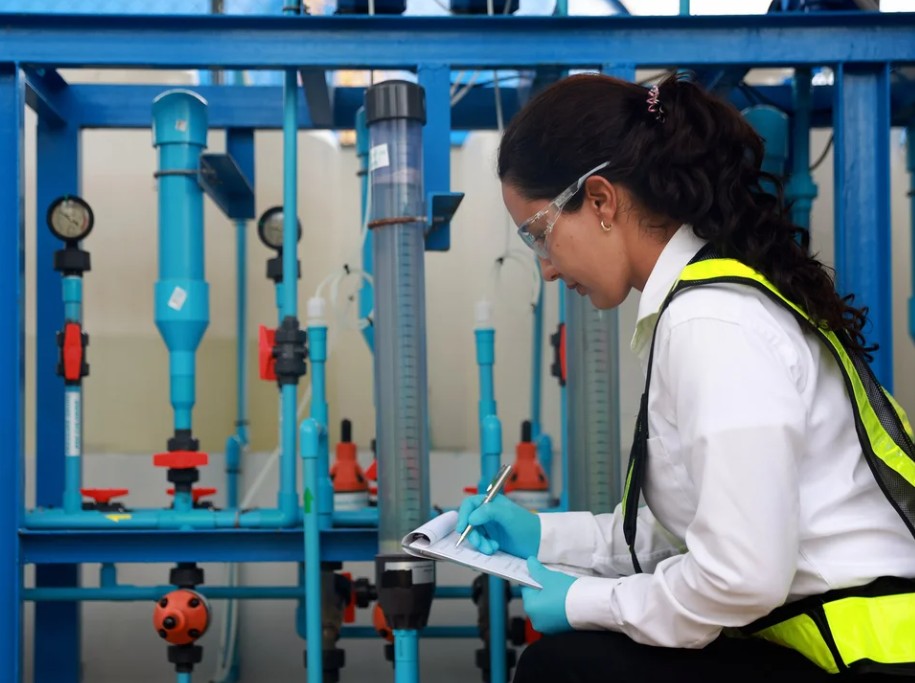
An article in IEEE Spectrum argues that combining classroom learning with tangible engineering projects increases your chances of landing a job. Many students worry that theoretical knowledge isn’t enough to impress employers once they leave school. The author, an IEEE Young Professional, says that practical projects give you something concrete to show in interviews and help bridge the gap between textbook concepts and real-world problem solving.
The article begins with the author’s own experience. As a student in New Delhi, he noticed long library lines and built a software program to automate checkout and card issuance. That project not only solved a real need on campus but also earned him recognition and later helped him secure job interviews. His résumé then featured multiple published research papers, completed projects, and a pending patent application—all outcomes of hands-on initiative and effort.
Practical skills matter because they show employers you can take an idea from problem definition through design, implementation, and testing. Interviewers often ask about specific projects, and having a portfolio of work gives you detailed stories to tell about your technical strengths, creativity, and persistence.
The article offers actionable advice for students and early-career engineers. Start by asking the right questions about any technical challenge: who the users are, what the problem is, why existing solutions fall short, and where your work will be deployed. Apply design thinking and iterate on prototypes based on real feedback. Getting involved in engineering communities and events, especially through organizations like IEEE and student programs, offers opportunities to work on meaningful projects, build networks, and demonstrate your skills outside of exams and coursework.
The underlying message is simple: theoretical knowledge gets your foot in the door, but practical experience opens it wide. Employers often rate hands-on project experience as a sign that you’re ready to contribute on day one, and students who invest time in real technical challenges set themselves apart in a competitive job market.
