

A new class of quantum simulators called “quantum twins” is emerging as a practical, near-term alternative to full-scale quantum computers for simulating complex physical systems that classical machines struggle to model, says IEEE Spectrum. Unlike universal quantum computers, which aim to control individual qubits and perform arbitrary algorithms, quantum twins embed the problem directly into the hardware’s physical structure. That approach sacrifices flexibility but delivers immediate capability in areas such as materials transitions, molecular behavior, and other strongly correlated systems where classical computing falters.
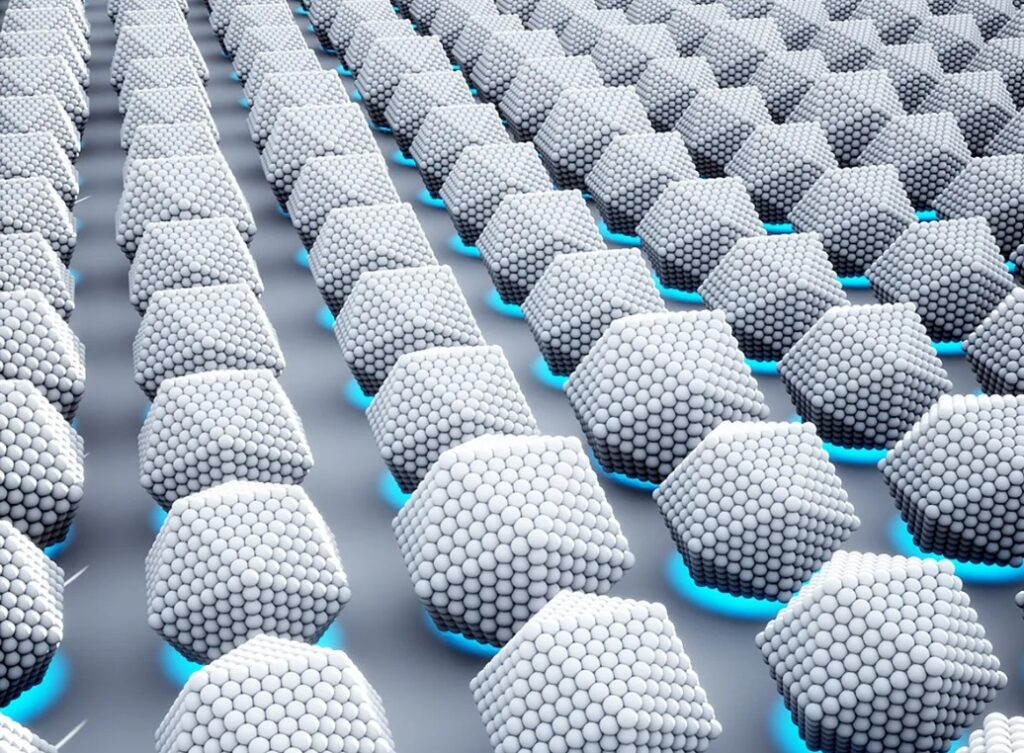
Analog quantum simulation has long been a research tool in physics, but recent advances from startups such as Sydney-based Silicon Quantum Computing show it maturing into commercial products. Their quantum twins system uses arrays of thousands of quantum dots, clusters of atomic-scale features patterned into silicon with subnanometer precision, to represent the target system. By encoding the problem in the geometry and interactions of these dots, the device reproduces the relevant quantum behavior without needing full qubit control. In a recent demonstration, a 15,000-dot chip simulated a material’s metal-insulator transition, a challenge beyond the reach of standard computers.
The analog nature of quantum twins means they are not general-purpose machines, such as fault-tolerant quantum computers but are suited for specific classes of problems with high quantum complexity. That makes them attractive for scientific research and early industrial use cases such as exploring unconventional superconductivity, elucidating magnetic phenomena, or investigating interfaces in battery materials. With design-to-fabrication cycles that can be completed inside a week, quantum twins promise a rapid turnaround for tailored simulations, bridging the gap between theory and experiment.
While still in early stages, this technology demonstrates that useful quantum-like simulation does not have to wait for universal quantum computers. By aligning hardware structure with the physics of targeted problems, quantum twins offer a feasible path to tackle questions classical supercomputers cannot address, accelerating discovery in materials science and beyond.
