

A global scarcity of random-access memory (RAM) because of booming demand from artificial intelligence infrastructure is driving steep price increases for memory-dependent electronics, and the effects are now spilling into consumer markets, tells IEEE Spectrum. Memory contracts for DRAM chips—the volatile memory used as short-term working space in computers and other devices—are expected to rise sharply, with some analysts projecting increases up to 95% in early 2026. Much of this surge stems from AI data centers and advanced compute systems competing with the consumer market for the same limited memory wafer capacity. In many fabs, production is being reprioritized toward high-bandwidth memory (HBM) for AI accelerators, leaving fewer resources for standard modules. As a result, RAM supply remains tight, and prices are climbing across the board.
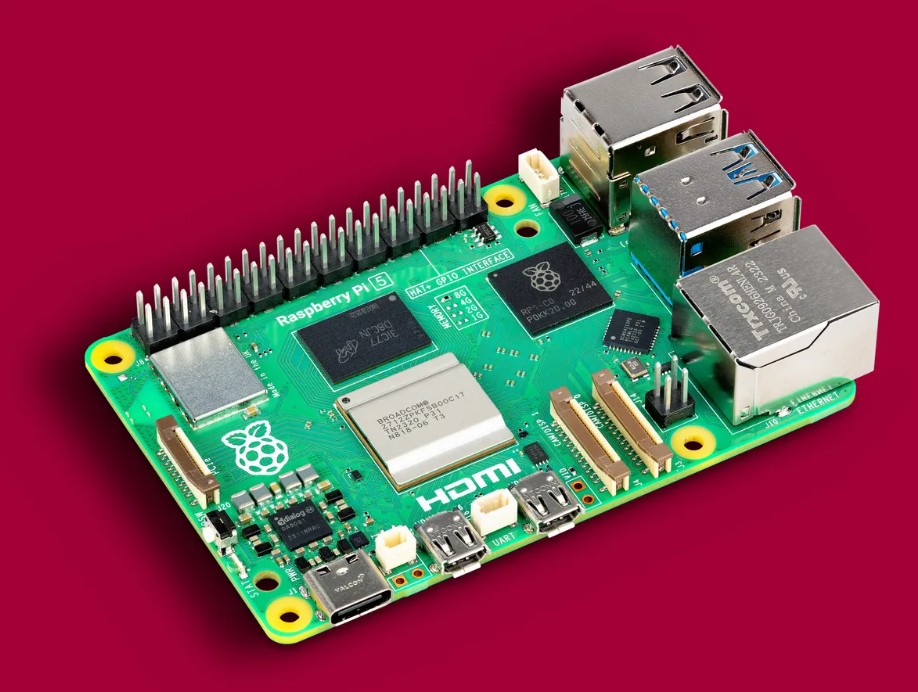
Low-cost computing hardware has felt the impact most directly. Devices such as the Raspberry Pi saw memory cost make up a larger share of the bill of materials, forcing price increases on finished products. The Raspberry Pi 5 with 16 GB of RAM rose from about U.S. $120 in late 2025 to roughly U.S. $205 as memory costs soared. Other small PC manufacturers such as Framework have announced multiple price hikes for DDR5 modules, reflecting rising supplier costs that they can no longer absorb.
For budget device makers, negotiating price breaks or securing long-term contracts isn’t easy. These firms often buy in smaller volumes and have thin margins, leaving them little flexibility. Some have responded by offering models with less memory or alternative configurations to maintain price points.
Because major memory makers are focused on AI markets and new production capacity is years away, the shortage is expected to persist into 2027. That means consumer electronics from PCs and laptops to phones and gaming consoles may continue to see higher prices or limited availability in the near term.
