

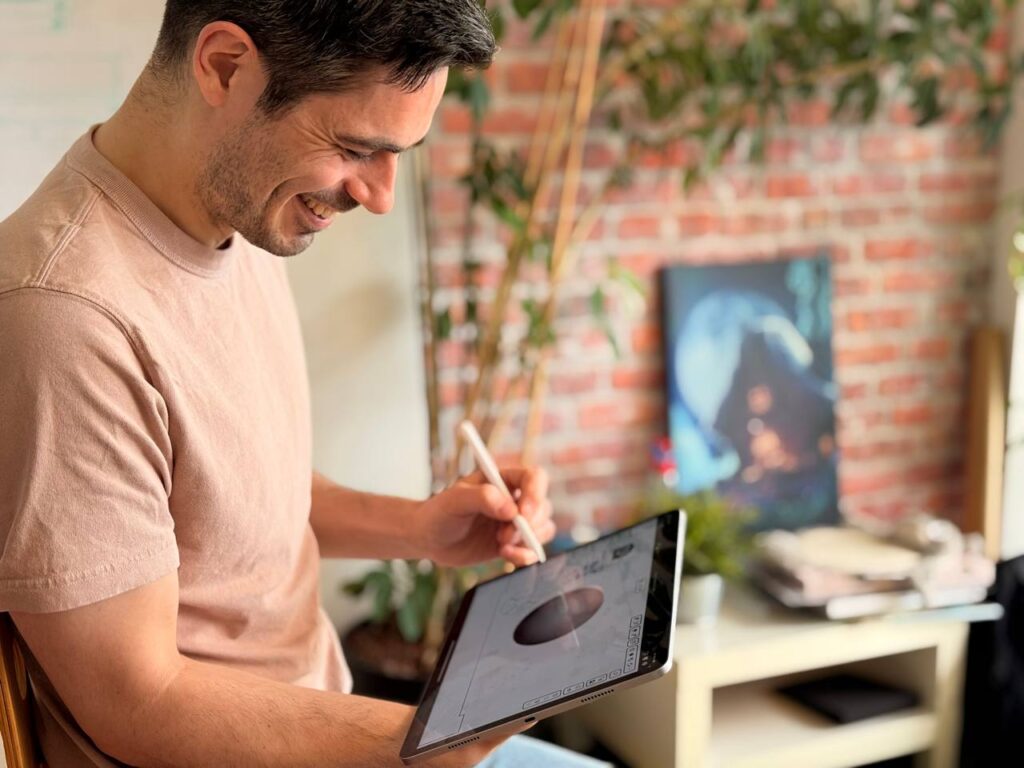
Blender is pushing the boundaries of 3D interaction by going “Beyond Mouse & Keyboard,” as highlighted in its latest article. The initiative to bring the full power of Blender to multi-touch interfaces marks a significant shift in how users may interact with the 3D software in the future. Recognizing that traditional input devices, such as the mouse, keyboard, and stylus, have limitations, especially in spatial and creative workflows, the Blender development team is actively researching and prototyping new ways to control and create in 3D environments.
Initially targeting platforms such as the Apple iPad Pro with Apple Pencil, and later Android and Wacom devices, the aim is to deliver a full-featured Blender experience, optimized for mobile environments, while equally beneficial to desktop users through shared design principles.
Rather than simplifying Blender for new audiences, the project is designed for existing Blender users, whether on desktops or tablets. The development team intends to adapt key workflows—starting with basic object manipulation and sculpting, followed by Grease Pencil and storyboard tools—while preserving the depth of the full desktop version.
Because tablets typically offer single-window layouts, smaller screens, and lack traditional mouse/keyboard input, Blender’s UI is being rethought: floating tool panels, icon-based sidebars, helper overlays with curated shortcuts, and ring-menu interactions are among the mockups shared. These aim to balance workspace real estate with quick access to essential tools.
Notably, many improvements developed for tablets—such as Quick Favorites editor, sidebar icons, helper overlays, and togglable sidebar tabs—will be integrated into the desktop version as well, making the overall UI more responsive across platforms.
Next steps include a tech demo at SIGGRAPH 2025 in Vancouver, followed by a user-workflow workshop at Blender HQ in Amsterdam, with outcomes to be shared publicly and potentially shown again at Blender Conference 2025.
In short, this project represents Blender’s long-term vision to support mobile, touch-based workflows—bringing full creative power on the go while improving usability everywhere.