

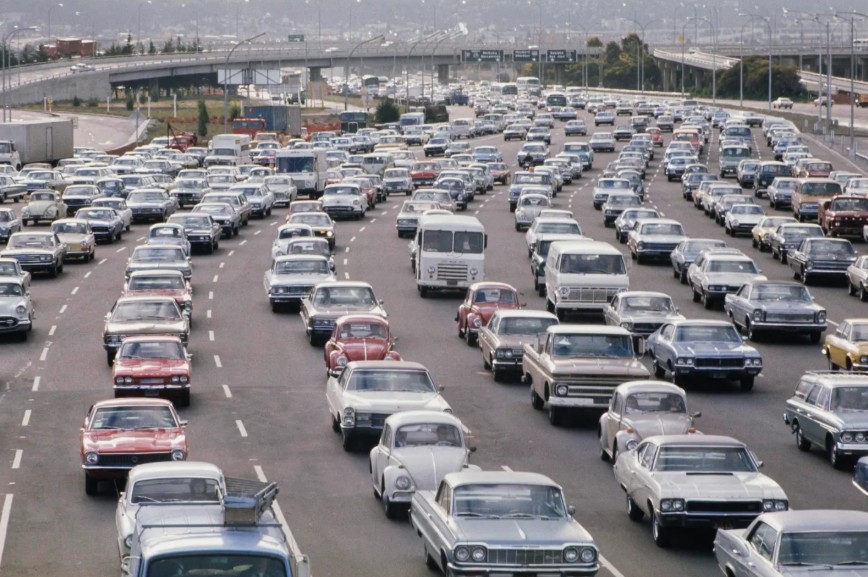
Electric robotaxis force a rethink of a long-standing urban debate: whether cars are inherently incompatible with livable cities. Traditional urbanist critiques target privately owned, gasoline-powered vehicles for congestion, pollution, land use, and safety risks. However, the rise of autonomous, electric fleets complicates that argument by addressing many of those concerns while introducing new trade-offs.
The Forbes article argues that robotaxis differ fundamentally from conventional cars. Because they are electric, they eliminate tailpipe emissions during operation. Their shared, on-demand nature reduces the need for parking infrastructure, allowing cities to reclaim valuable urban land. In theory, fewer vehicles could serve more people, lowering overall car ownership and improving efficiency.
Safety is another area where robotaxis could outperform human drivers. Autonomous systems are designed to reduce accidents caused by human error, one of the primary justifications for limiting car use in dense cities. If widely adopted, they could significantly lower crash rates and improve traffic flow through optimized routing and coordination.
Yet these advantages do not automatically align robotaxis with urbanist goals. The article highlights a critical concern: induced demand. By making car travel cheaper and more convenient, robotaxis could increase total vehicle miles travelled, worsening congestion rather than alleviating it. Empty vehicles repositioning themselves between rides could further add to traffic.
Urbanists also worry that easy, comfortable car travel could draw people away from public transit, walking, and cycling, undermining investments in sustainable infrastructure. Even if individual trips become cleaner, the overall system could shift back toward car dependency.
Ultimately, the article suggests that robotaxis are not inherently good or bad for cities. Their impact will depend on policy choices, pricing models, and integration with broader transportation systems. Managed well, they could reduce the downsides of cars. Left unchecked, they might recreate many of the same problems in a more technologically advanced form.
