

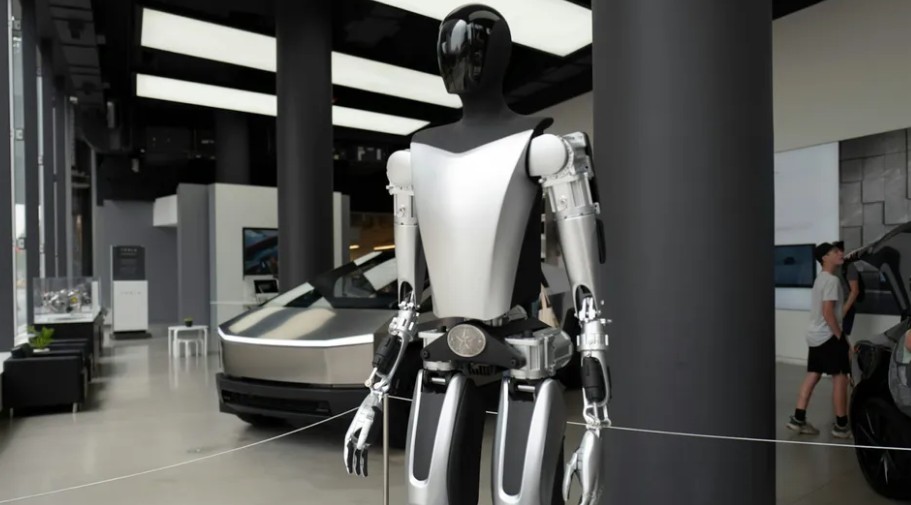
As humanoid robots such as Tesla’s Optimus inch closer to everyday life, the Live Science article explores not only their potential utility but also the deeper social consequences of living with machines that look and act more like us than traditional gadgets. These robots are designed to fit human environments, performing physical tasks that are awkward for rigid machines—from unloading dishwashers to assisting with care in homes and workplaces. Their human shape is practical, but it also carries emotional weight, suggesting intelligence, understanding, and even companionship, whether or not those traits truly exist in the machine.
The prospect of robots that can speak conversationally and act with dexterity taps into cultural imagery about helpers and companions, yet it also raises questions about our future social skills and emotional resilience. If robots become fixtures in our private lives, there’s a risk that we offload not only chores but also the richness of human interaction to machines. Over-reliance on artificial companions could reduce tolerance for the messiness of real human relationships and weaken community ties that form through shared struggle and conversation.
Design plays a critical role in how we integrate robots into society. The article suggests rethinking where conversational AI and humanoid capabilities are deployed so that machines augment specific tasks rather than replace spaces where human identity and values are formed. For example, during work or craft tasks, targeted AI on specific tools might offer assistance without supplanting human interaction, but open-ended conversational roles that shape beliefs and emotional life might be better left to humans.
Balancing convenience with the cultivation of interpersonal skills is a central challenge as robots become more capable and present. If machines take on both physical duties and emotional roles, we risk building a future in which human relationships are sidelined in favor of predictable, always-available robotic responses. The article argues that to preserve social cohesion, engineers and society must deliberately shape robotic roles so that they strengthen rather than diminish human-to-human connections.
