

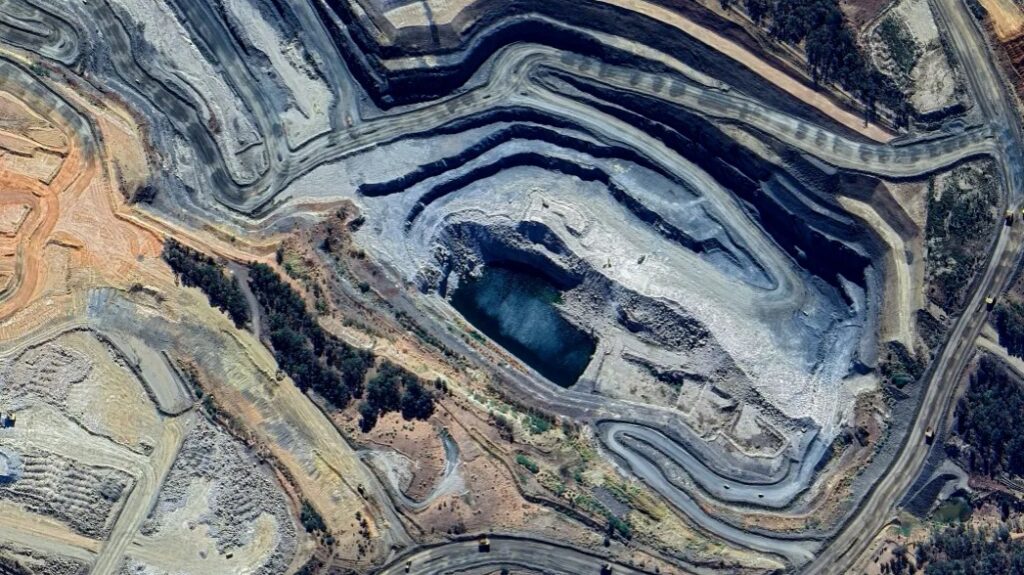
Demand for lithium is expected to surge as electric vehicles, energy storage systems, and consumer electronics drive the global transition to cleaner energy. Yet much of the world’s lithium refining capacity remains concentrated in China, even though countries such as the United States, Australia, and those in Europe possess substantial lithium-bearing rock deposits. A major reason is that extracting lithium from hard rock is expensive, energy-intensive, and wasteful. A new process developed by researchers at the Massachusetts Institute of Technology and commercialized through a startup called Rock Zero aims to change that, tells MIT Technology Review.
The innovation focuses on spodumene, the most common lithium-bearing mineral. Conventional extraction requires heating the ore to temperatures above 1,000°C before chemically processing it to recover lithium. This approach consumes large amounts of energy and leaves most of the remaining material as waste. The MIT team developed a low-temperature alternative that uses a recyclable chemical reagent to dissolve the mineral and separate its components at far lower energy cost.
A key advantage of the process is that it utilizes nearly all of the mined material. In addition to producing battery-grade lithium compounds, it recovers smelter-grade alumina and cement-ready silica. The solvents and reagents can also be recycled within a closed-loop system, allowing waste generation to approach zero. Researchers estimate the method could cut extraction costs by roughly half compared with traditional hard-rock refining and make lithium from rock economically competitive with lithium extracted from brines.
The breakthrough originated from an unexpected source. Professor Yet-Ming Chiang drew inspiration from a glass-etching product used during a home renovation decades earlier. That insight eventually led researchers to develop a chemistry capable of breaking down silica-rich spodumene efficiently.
If successfully scaled, the Rock Zero process could diversify global lithium supply chains, reduce dependence on overseas refining, and support the rapid expansion of battery manufacturing needed to meet future energy and transportation demands.
