

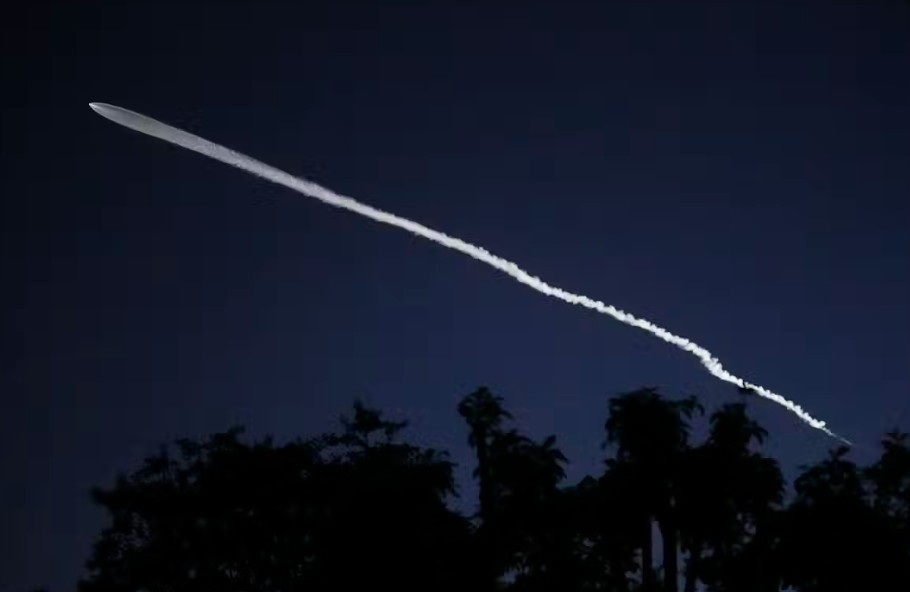
A rapid expansion of satellite mega-constellations, led by companies such as SpaceX, is raising urgent concerns about the future of the night sky. The Conversation article argues that proposals to deploy tens or even hundreds of thousands of satellites, with some projections reaching up to a million, could fundamentally alter what humans see when they look up at night.
At the core of the issue is light pollution from satellites. Unlike traditional ground-based sources, these objects reflect sunlight even after sunset, appearing as moving points of light across the sky. As their numbers grow, the cumulative effect could significantly brighten the night sky, reducing visibility of stars and making celestial observations increasingly difficult. Astronomers warn that this would interfere not only with casual stargazing but also with scientific research, as satellite streaks contaminate telescope images and obscure faint cosmic signals.
The consequences extend beyond astronomy. Many species rely on natural light cycles for navigation, reproduction, and feeding. Artificial illumination from satellites could disrupt these behaviors, adding to the broader ecological impact of light pollution. Even human health may be affected, as exposure to artificial light at night is known to interfere with circadian rhythms.
The article also highlights a regulatory gap. While satellites are subject to certain communications rules, their environmental impact, particularly on the night sky, is not rigorously governed. This lack of oversight has allowed large-scale deployments to proceed without fully assessing their long-term consequences.
Supporters of satellite networks point to benefits such as global internet coverage and improved connectivity. However, the article argues that these advantages must be weighed against the irreversible loss of a shared natural resource. The night sky, once universally accessible, risks becoming crowded, brighter, and less meaningful.
The broader message is not just about technology but stewardship. As space becomes increasingly commercialized, decisions made today will determine whether future generations inherit a sky filled with stars or one dominated by human-made objects.
