

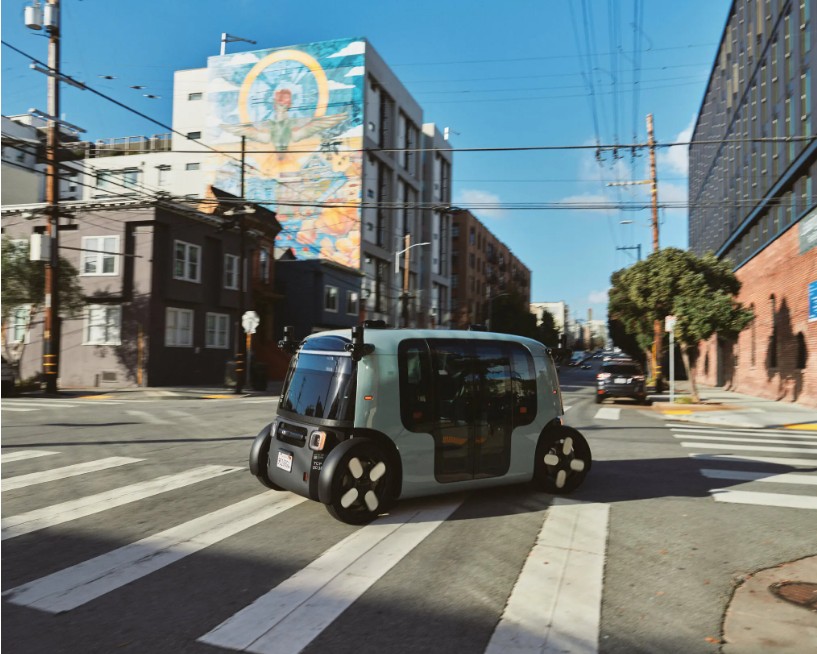
The New York Times report highlights emerging research showing that self-driving vehicles could increase overall carbon emissions instead of reducing them, a surprising twist in the climate debate on autonomous transport. For years, driverless cars were pitched as a key part of cutting emissions by optimizing driving patterns, reducing congestion, and enabling shared mobility. But recent modeling from MIT researchers paints a more complex picture: if large fleets of autonomous vehicles replace human drivers without changes in travel behavior, they could consume vast amounts of energy and contribute to climate impacts rather than cut them.
One startling estimate from the study finds that the electricity needed to power one billion self-driving vehicles for just one hour each day could rival the energy consumption of all existing data centers worldwide, a massive load on grids already struggling to decarbonize. That figure underscores how the scale of deployment matters: even if individual autonomous cars are more efficient than combustion vehicles, the total energy footprint depends heavily on how much people use them and how empty trips are managed.
A core concern is that autonomous cars, especially robotaxis, might encourage more travel, not less. People could choose driverless rides over transit or active mobility, and vehicles might cruise empty between fares, all of which adds to total vehicle-miles traveled. Industry optimism about safety and convenience may mask the induced demand effect: cheaper, easier travel that leads to more trips and longer commutes.
The findings don’t rule out environmental benefits; autonomous systems can improve fuel efficiency and traffic flow under the right conditions. But the NYT coverage stresses that policy, ride-sharing models, grid decarbonization, and travel behavior will shape the actual climate impact of self-driving cars, not the technology alone.
In short, autonomous vehicles might reshape mobility and safety, but without thoughtful planning and regulation, they could also increase emissions and energy use rather than cut them.
