

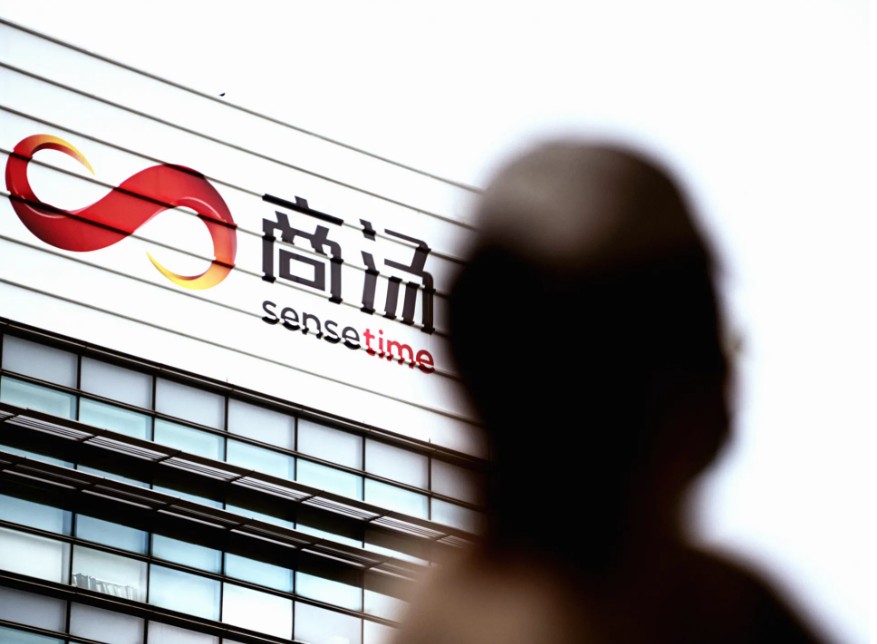
The Wired article (full article available to subscribers) examines how Chinese AI company SenseTime is adapting to geopolitical and technological constraints by redesigning both its software and hardware strategy. At the center of this shift is its new model, SenseNova U1, which emphasizes speed, efficiency, and compatibility with Chinese-made chips.
Unlike many leading AI systems that rely heavily on text-based processing, U1 can interpret and generate images directly. This architectural change allows the model to bypass intermediate steps, significantly reducing computational requirements while increasing processing speed. The result is a system that performs efficiently even on less powerful hardware, including consumer devices such as PCs and smartphones.
A key motivation behind this approach is U.S. export controls, which restrict Chinese firms’ access to advanced semiconductors. To work around these limits, SenseTime has ensured that U1 runs on domestically produced chips. Multiple Chinese chipmakers, including Cambricon and Biren Technology, have already optimized their hardware to support the model.
The article highlights that this is not just a technical workaround but a broader strategic pivot. Instead of competing purely on raw computing power, SenseTime is focusing on software efficiency and adaptability. This aligns with a wider trend in China’s AI sector, where developers are designing models to fit available hardware rather than relying on the most advanced chips.
Open-source distribution is another critical element. By releasing U1 on platforms such as GitHub and Hugging Face, SenseTime aims to accelerate development through community feedback and global collaboration. This approach also helps the company maintain relevance despite sanctions and intensifying competition from both domestic startups and U.S. firms.
The implications extend beyond one company. SenseTime’s strategy suggests that AI innovation is shifting from brute-force scaling toward smarter design. As models become more efficient and hardware-agnostic, the competitive landscape may favor those who can innovate under constraint rather than those with the most resources.
