

Researchers at the University of Michigan have developed a pair of sensors that could alert pilots, drivers, and automated systems to dangerous ice conditions on vehicles and aircraft, tells Tech Xplore. Ice buildup on road surfaces and airplane wings contributes to a large share of weather-related crashes. Roughly 20% of weather-related car accidents are caused by ice on roads, and about 10% of fatal air carrier crashes involve ice interfering with aerodynamics or critical instruments. These new sensors respond earlier and more reliably than existing technology.
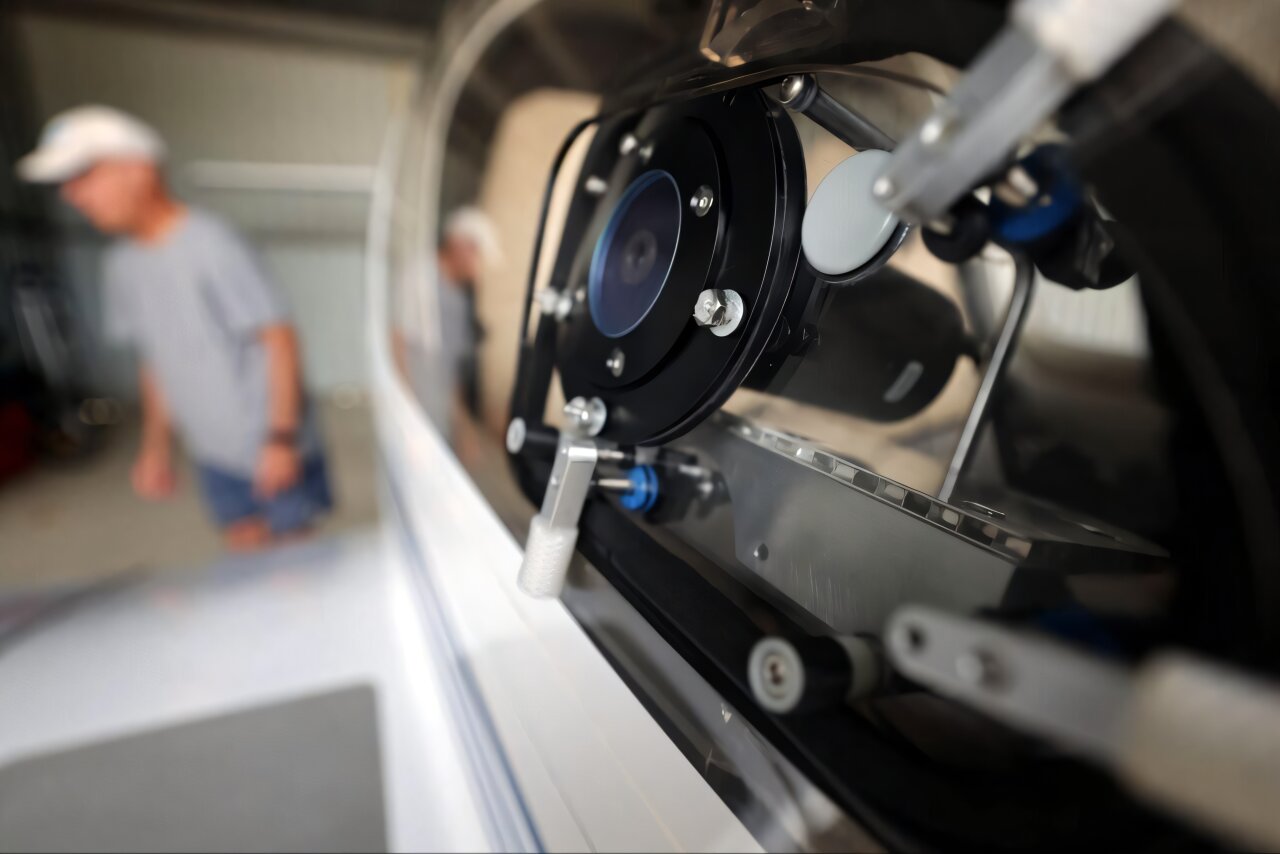
One sensor uses microwaves and mounts flush against a surface to detect ice formation directly. Placed on an airplane or other vehicle body, it doesn’t protrude like traditional probes and can register changes when water or ice covers it. This allows systems to know exactly when ice is accumulating. The second sensor sends three infrared lasers forward into clouds or air in front of a vehicle. The return signals differ depending on whether they hit water droplets, ice particles, or a mix, giving pilots and vehicle systems advance warning of freezing rain or icing conditions ahead.
Tests with a small single-engine airplane and a light business jet showed that the sensors can work in real flight scenarios, providing data that could help systems or operators react before ice becomes dangerous. The microwave sensor’s embedding into the structure could make it suitable for broader use, while the laser system’s ability to differentiate particle types within seconds offers timely alerts.
The underlying motivation comes from both road safety and aviation risk reduction. Ice on roads can be nearly invisible and cause loss of control, and in aviation, icing can block instruments or disrupt lift and control surfaces. Early warnings could give automated safety systems or operators the information needed to adjust speed, route, or engage anti-icing systems sooner.
This pair of sensing technologies represents a step toward better real-time detection of hazardous ice for ground and air travel, potentially reducing accidents related to freezing rain and ice accumulation.
