

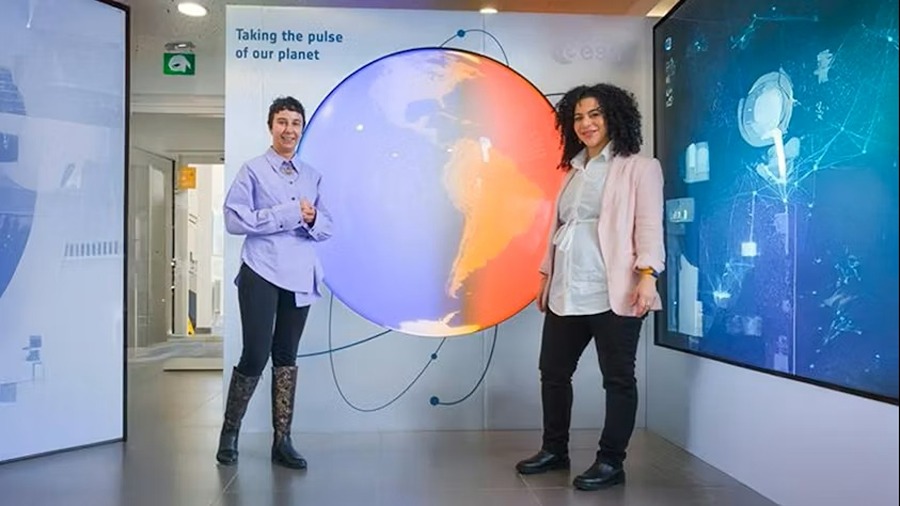
MUNICH, Germany, Apr 1, 2026 – Siemens partnered with European Space Agency (ESA) by joining the Partnership Initiative for Commercialisation (EPIC) program. The initiative supports startups from ESA Business Incubation Centers (ESA BICs) by linking early-stage space products and services to industrial production and commercial deployment.
Siemens will provide digital twins and a digital engineering and simulation stack for space-related workflows for the European space industry, along with access to mentors and industry specialists through its incubator program offer. Through Siemens Xcelerator, startups can design, simulate, and validate complex systems in virtual models, supporting engineering analysis and product development. The program also includes joint activities to increase visibility within the European space ecosystem.
ESA BICs operate across 37 centers in Europe and support space-related startups through technical and business development programs. More than 2,000 startups have participated to date. The Siemens offering will also extend to projects supported by the ESA Technology Brokers and ESA Phi-LabNET.
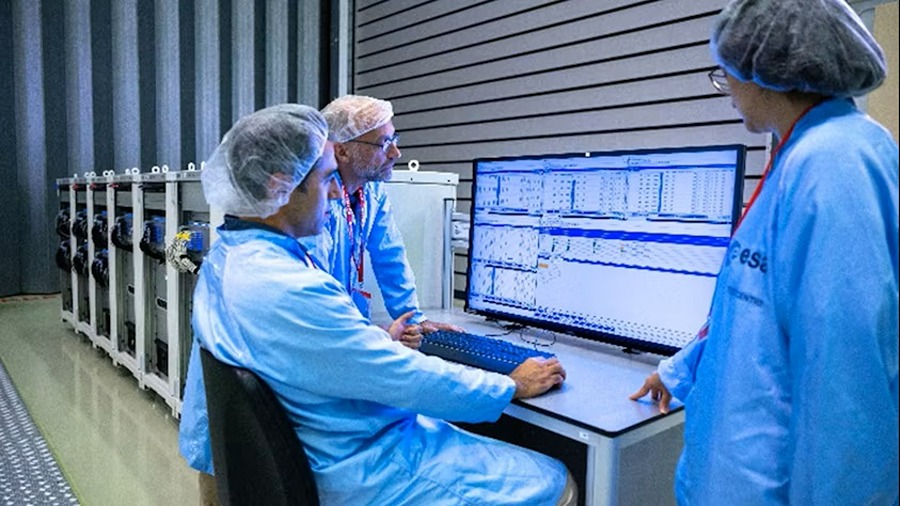
“As a leading provider of software for space initiatives, supporting emerging startups through our collaboration with the ESA is part of Siemens’ DNA. Europe does not lack ideas in space. It needs runways to take off at scale,” said Cedrik Neike, CEO of digital industries and member of the managing board of Siemens AG. “Together with ESA, we are shaping the future of spaceflight: we help startups scale faster and bring their technologies into industrial use. This strengthens Europe’s competitiveness and technological sovereignty in the space industry.”
“We welcome Siemens’ participation in the EPIC initiative and look forward to the value their technology and expertise will bring to our startup ecosystem,” said Geraldine Naja, director of commercialization, industry and competitiveness, European Space Agency. “This collaboration aligns with our mission to foster innovation and support the growth of high-potential startups across Europe.”
Source: Siemens
About Siemens AG

Siemens AG is a technology company founded in 1847 and headquartered in Munich and Berlin, Germany. The company develops products and services in industrial automation, electrification, digital systems, and mobility. Its offerings include automation systems, industrial software, building technologies, rail transport systems, and power distribution solutions. Siemens also provides financial services and supports infrastructure projects. It serves industries such as manufacturing, energy, transportation, construction, and healthcare. The company works with enterprises, utilities, governments, and infrastructure operators worldwide. Siemens operates in more than 190 countries. It applies digital tools and AI to industrial and infrastructure use cases. Siemens holds a majority stake in Siemens Healthineers, a publicly listed healthcare technology company. Siemens has about 318,000 employees globally.
About European Space Agency

European Space Agency (ESA) is an intergovernmental organization that develops and operates space missions, satellites, and launch systems for research and commercial use. It serves government agencies, research institutions, aerospace companies, and telecommunications and navigation sectors. The agency was founded in 1975 and is headquartered in Paris, France. Its work includes Earth observation satellites, space exploration missions, human spaceflight, and space technology development. ESA designs spacecraft, manages mission operations, and supports launch infrastructure such as the Guiana Space Centre. It collaborates with global partners, including national space agencies and private industry, on joint programs and data sharing. ESA employs about 3,000 people worldwide. Its programs support aerospace, telecommunications, climate monitoring, and navigation services.
