

Astronomers have identified more than 6,000 exoplanets, that is, planets orbiting stars other than the Sun, thanks to decades of advances in telescopes and detection methods. This rapid growth in the catalogue reflects a dramatic acceleration in discovery since the 1990s, with missions such as NASA’s Kepler telescope contributing thousands of new worlds. The tally is now large enough that scientists can begin to compare exoplanets by size, orbit, and composition, and to look for patterns in how planetary systems form, tells IEEE Spectrum.
Most known exoplanets were found using the transit method, in which a planet passes in front of its star and causes a slight dip in brightness detectable by sensitive instruments. Other techniques, including radial-velocity measurements and direct imaging, help confirm and characterize these distant worlds. Current detection biases favor large planets close to their stars, but that is beginning to change as new instruments expand observational reach.
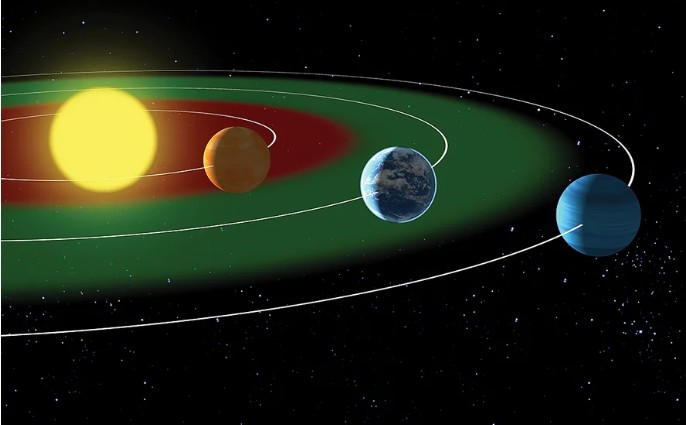
With such a large sample, researchers are now estimating how common different types of exoplanets are. Terrestrial planets, that is, small, rocky worlds roughly similar in size to Earth, are abundant, as are larger “Neptune-like” planets. Continued observation will improve estimates of how frequently planets reside in habitable zones where liquid water could exist on a surface, a key factor in assessments of potential life beyond Earth.
Upcoming missions promise to push beyond present limits. The Nancy Grace Roman Space Telescope will survey wide swaths of the sky to detect thousands more exoplanets, including colder worlds located far from their stars, and may reshape discovery curves once again. That telescope’s wide field of view and advanced detectors will complement existing efforts and expand the frontier of known planetary systems.
As exoplanet databases grow and detection methods improve, astronomers will refine models of how planetary systems form and evolve. The breadth and depth of this data bring humanity closer to answering one of its oldest questions: Are we alone in the universe?
