

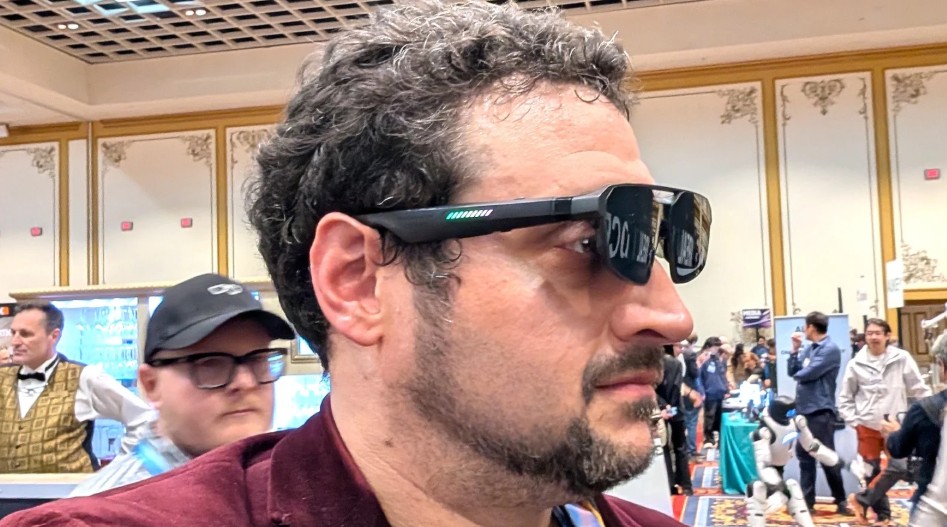
At CES 2026 in Las Vegas, smart glasses grabbed attention not just as prototypes but as real tools for tech coverage, though their performance varied widely. The PCMag hands-on review of using smart glasses to report from the show floor showed that wearable displays are closer to mainstream utility than ever, yet still uneven in execution. Reporters found that glasses with built-in screens and cameras gave a sense of “hands-free” reporting, but battery life, display brightness, and user interaction remained constraints that limited practical use in a crowded tech event.
Two main categories emerged. Glasses with integrated displays offered direct visual feedback for capturing scenes and reading prompts without a phone. These models worked well in bright environments and enabled quick framing of shots or checking notes, but they sometimes lacked the resolution or brightness to rival a smartphone screen in full sunlight. Simpler smart eyewear that focused on audio cues and voice control handed off heavier tasks to connected devices, making them lighter and easier to wear all day, though less useful for image-centric content coverage.
Beyond the PCMag experiment, CES 2026 showcased a spectrum of smart glasses advances. Lightweight options with voice-activated AI functions, such as chat and object recognition, offered practical hands-free features that worked reasonably well for basic tasks. Other models emphasized minimal design, using monochrome displays or relying on a smartphone for heavy-lifting, which extended battery life and comfort but reduced standalone capability. AR glasses from exhibitors delivered bright visuals and gesture controls, hinting at where the technology is heading, even if they’re still a step away from everyday use.
The CES 2026 experience with smart glasses suggests that they’re functional for specific reporting tasks and contextual information, but widespread adoption will depend on clearer value beyond novelty, better battery performance, and interfaces that don’t distract from real-world use.
