

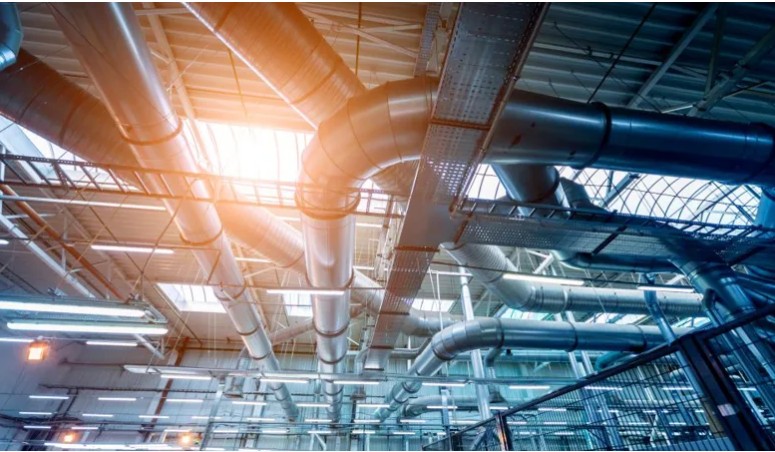
Heating, ventilation, and air conditioning systems are among the largest energy consumers in buildings, making them a critical focus for efficiency improvements. An article in The Engineer explores how artificial intelligence is beginning to transform HVAC performance by shifting systems from static operation to adaptive, data-driven control.
Conventional HVAC systems typically rely on predefined schedules and manual adjustments, which often fail to reflect real-world conditions such as occupancy changes or fluctuating weather. The article argues that AI enables a more responsive approach by continuously analyzing data from sensors and adjusting system behavior in real time. This allows HVAC systems to operate more efficiently while maintaining consistent indoor comfort.
A central advantage of AI integration is predictive capability. Instead of reacting to faults after they occur, AI systems can identify patterns that signal potential failures, allowing maintenance to be scheduled proactively. This reduces downtime, extends equipment life, and lowers operational costs.
The article also emphasizes the role of AI in optimizing energy use. By learning from historical data and adapting to changing conditions, intelligent HVAC systems can balance competing demands such as energy savings and occupant comfort. This continuous optimization represents a shift from fixed control strategies to systems that improve over time.
However, the transition is not without challenges. Integrating AI into existing infrastructure requires high-quality data, compatible systems, and investment in digital capabilities. There are also concerns around system complexity and the need for skilled professionals who can manage and interpret AI-driven tools.
Despite these barriers, the article concludes that AI is set to play an increasingly important role in HVAC design and operation. As buildings become more connected and sustainability targets grow more demanding, intelligent systems that can adapt and optimize continuously will become essential to improving energy efficiency and overall performance.
