

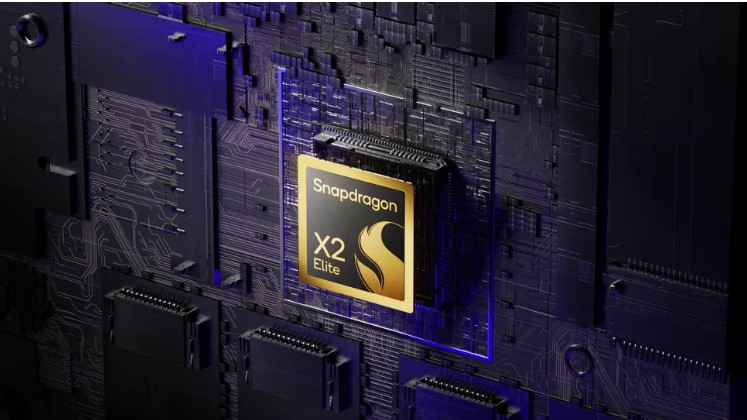
Qualcomm’s latest Snapdragon X2 line, comprising the X2 Elite and X2 Elite Extreme, promises to change expectations for Windows PCs. Built on an advanced 3-nanometer process, these chips pair raw speed with energy efficiency, making them strong contenders for thin laptops and mini PCs, reports Tom’s Hardware.
The X2 Elite Extreme is especially ambitious: it offers up to 18 CPU cores and is the first Arm-based chip to hit 5.0 GHz clock speeds (on one or two cores). Even the standard X2 Elite models, with different core counts, deliver uplifted performance and power savings over the previous generation.
Graphics and AI capabilities also receive a significant boost. The new Adreno GPU is more efficient, and the built-in Hexagon NPU now delivers 80 TOPS (operations per second), providing a strong foundation for on-device AI tasks, such as assistants or real-time analytics. Memory bandwidth, connectivity, and I/O also get upgrades: the Extreme version supports a wider memory bus and higher throughput. The chips support Wi-Fi 7, Bluetooth 5.4, and integrate the Snapdragon X75 5G modem.
Qualcomm claims that, at the same power level as older chips, X2 delivers up to 31% more performance, or it can cut power use by 43% while retaining similar speed. Devices using these chips are expected to arrive in the first half of 2026. With X2, Qualcomm is aiming to make Arm-based Windows devices not just viable but compelling for power users, creators, and AI applications. If developers and OEMs buy in, Snapdragon X2 could help reshape the PC landscape in 2026.
For consumers, the appeal is clear: laptops could become both faster and more power efficient, handling everyday tasks, creative work, and even AI workloads—without needing bulky cooling systems or external accelerators. But the real test will be real-world performance, software support, and how well vendors integrate these chips into full systems.
