

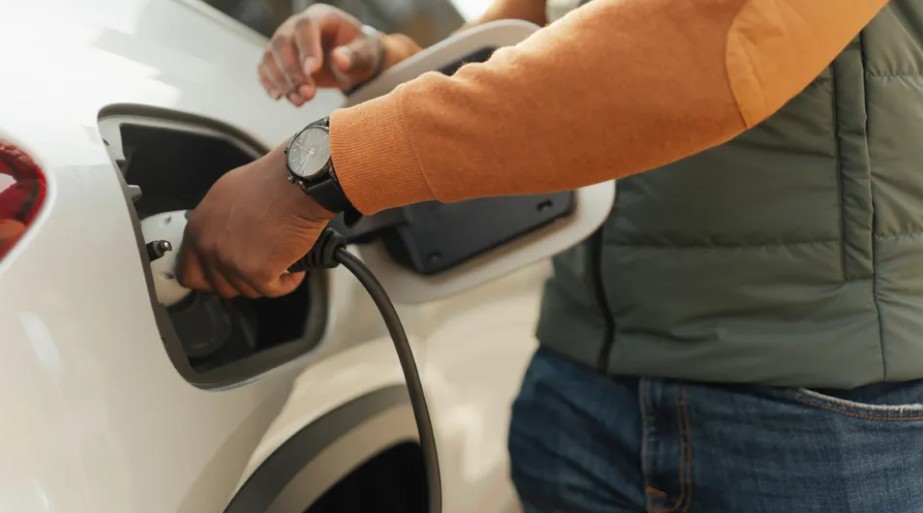
China has introduced the first mass-produced electric vehicle powered by a sodium-ion battery, marking a notable step in the search for alternatives to lithium-based energy storage, tells Live Science. The vehicle, the Changan Nevo A06, uses a 45-kilowatt-hour sodium-ion battery developed by battery manufacturer CATL. According to reports, the car can travel roughly 248 miles (400 kilometers) on a single charge, demonstrating that sodium chemistry is approaching the practical performance levels required for passenger vehicles.
Sodium-ion batteries work on principles similar to lithium-ion batteries but rely on sodium, a far more abundant and widely distributed element. Because sodium is easier to source and less geopolitically concentrated than lithium, the technology could help stabilize supply chains and lower battery costs. Researchers have long considered sodium batteries promising for large-scale energy storage, yet their lower energy density has historically limited their use in electric vehicles. Recent improvements in battery chemistry and engineering have begun to close that gap.
The new battery pack offers several performance advantages beyond resource availability. It can charge rapidly, reaching about 80% capacity in roughly 15 minutes under standard conditions. The system also performs well in extreme temperatures, maintaining much of its capacity even in severe cold environments. This characteristic addresses a common challenge for EV batteries, which typically lose efficiency and driving range in low temperatures.
Engineers say the battery’s resilience and thermal stability could also improve safety. Sodium-ion cells tend to be less prone to thermal runaway than some lithium chemistries, reducing fire risk. Although sodium batteries still trail lithium-ion systems in energy density, the gap is narrowing as manufacturers refine materials and cell designs.
The debut of a commercial EV using sodium-ion technology suggests a broader shift in battery innovation. As production scales and energy density improves, sodium batteries may complement lithium systems in future vehicles, particularly in markets where cost, durability, and cold-weather performance matter as much as maximum range.
