

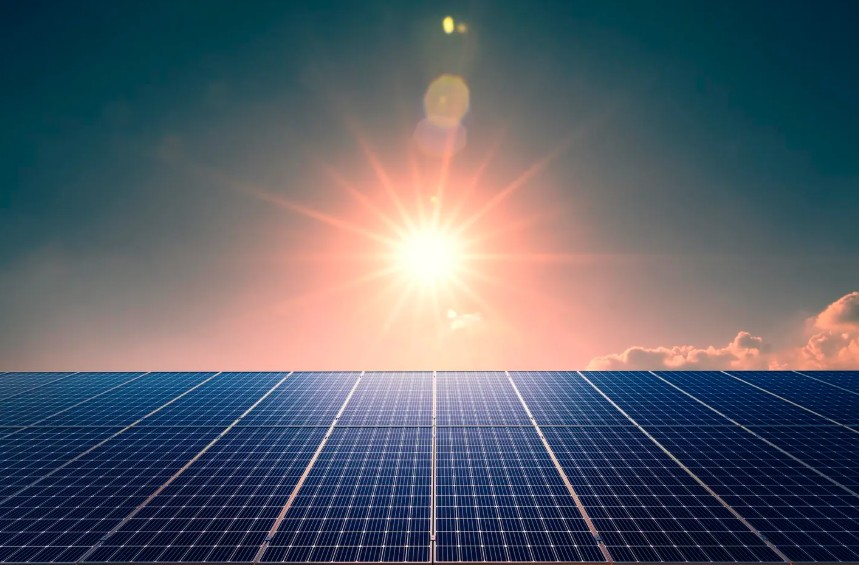
In a recent Forbes Current Climate newsletter, the fastest-growing source of new U.S. electricity isn’t fossil fuels but solar power. Dollars invested in solar projects outpace other technologies, meaning more megawatts of capacity are coming online from the sun than from coal, gas, or nuclear. That surge is reshaping the nation’s grid mix even as political rhetoric about “green scams” circulates.
Critics use the phrase “green scam” to dismiss renewable energy initiatives, but the data tell a different story. Solar installation rates have climbed sharply in recent years, supported by falling costs, state policies, and federal incentives. As these new plants enter service, they contribute a growing share of the power feeding regional grids. Analysts say non-carbon electricity, including wind and hydro, is poised to exceed 45% of total U.S. generation this year, a milestone that highlights how quickly the energy landscape is changing.
This shift matters for more than climate goals. Traditional utility planning once relied on predictable, capital-intensive fossil assets. Now solar and other renewables are cheaper and quicker to deploy, giving grid operators more flexibility and helping reduce wholesale electricity prices in some regions. Solar’s rise also dovetails with advances in storage and demand response, which together improve grid stability and reliability.
The coverage also touches on broader energy challenges such as the need for more efficient buildings and technologies such as fuel cells to reduce emissions from high-demand sectors. While opponents frame renewable expansion as wasteful, market signals and investment flows suggest solar and related clean technologies are becoming fundamental to America’s energy future.
In short, what some dismiss as a “scam” is actually one of the most tangible shifts in U.S. electricity generation in decades and reflects deep changes in economics, policy, and utility planning.
