

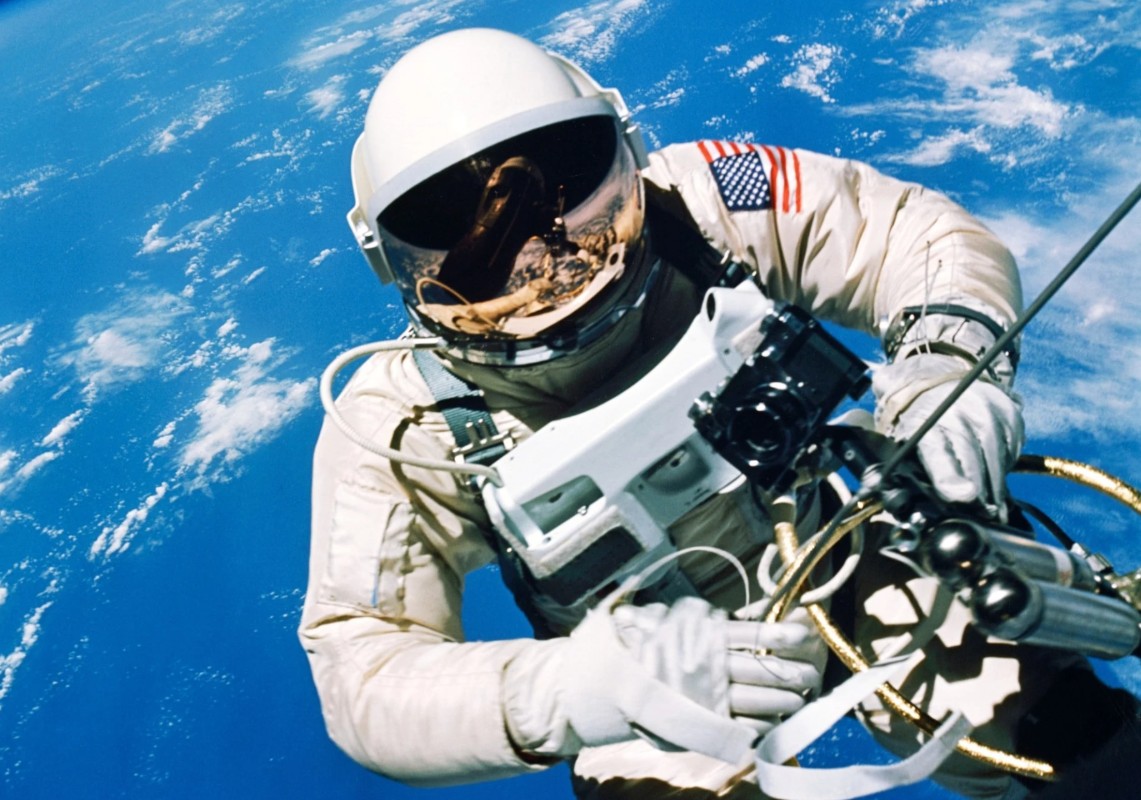
A New Atlas article questions whether astronauts remain essential in space exploration now that robotic missions and automated spacecraft can accomplish most scientific and operational tasks more cheaply and safely than humans. The article takes stock of NASA’s Artemis program, particularly the Artemis II lunar-orbit mission, which has faced delays, cost overruns, and unresolved technical risks in critical systems such as heat shields and life support. Some engineers and former astronauts have suggested flying Artemis II without a crew to test unproven hardware in orbit before risking human lives. This raises deeper questions about whether putting people in space is still justified when uncrewed systems can reach farther and cost far less.
Historically, astronauts were indispensable because early electronics and spacecraft systems lacked autonomy, meaning humans were needed to pilot rockets, maintain equipment, and make real-time decisions. With the evolution of solid-state electronics, autonomous controls, and advanced robotics, most routine and complex space operations can now be handled without onboard crew, the article argues. Robots have been exploring planets, moons, and deep space for decades, returning vast scientific data without the logistical burden of life support, radiation shielding, and human safety margins.
The article also critiques the cost imbalance of human spaceflight. Missions that carry people require huge investments in infrastructure and safety, whereas robotic probes such as Mars rovers and interplanetary orbiters deliver scientific returns at a fraction of the price. For example, combined costs of some robotic missions are less than the U.S. share of the International Space Station’s budget, yet the robotic missions have uncovered far more about the solar system’s geology and chemistry.
The author concludes that while human presence in space may satisfy cultural and inspirational goals, practical and scientific outcomes increasingly point toward uncrewed exploration. As technologies advance, the rationale for sending people into hostile environments without compelling scientific return grows weaker, pushing the space community to reconsider priorities and funding in the decades ahead.
