

An article in The Conversation tells the story of growing up in Yakutsk, Russia, one of the world’s coldest cities, where winter temperatures often plunge well below freezing, and central heating has not always been a given. The author uses personal experience to explore how people adapt to extreme cold, and why lessons from Yakutsk matter more broadly as energy costs rise and climate patterns shift.
Yakutsk sits deep in Siberia, far south of the Arctic Circle, yet winters there can drop below −60°C, and the landscape of frozen ground and permafrost shapes daily life and infrastructure. Buildings must be constructed to withstand relentless cold, and warmth is often managed through insulation, community solutions, and human ingenuity rather than universal central heating.
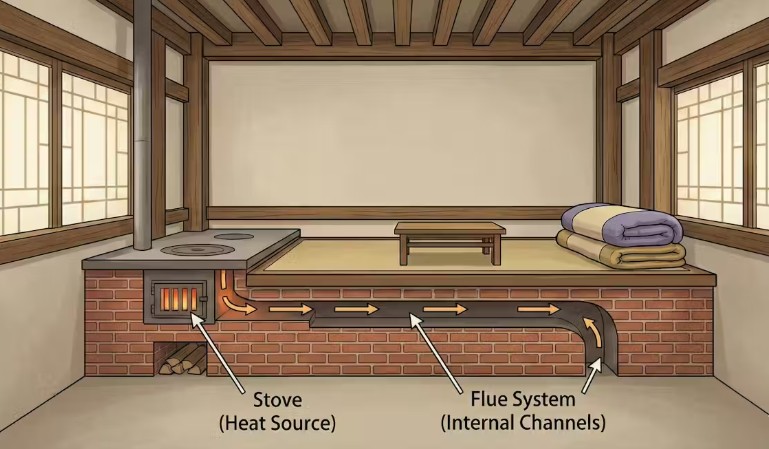
Residents layer clothing, rely on efficient wood or stove heating when available, and adjust routines to match seasonal extremes. The absence of reliable, modern heating in many homes reflects broader economic and logistical challenges: energy infrastructure is expensive to build in remote or harsh climates, and households cope with a mix of traditional methods and modern technology to stay warm.
The author argues that the world can learn from these adaptations. As energy bills rise globally and climate change shifts weather patterns unpredictably, communities everywhere face the need to reduce energy waste and improve resilience. Yakutsk’s experience suggests that investing in insulation, local energy solutions, and community networks of support can reduce the burden on centralized systems and make homes more habitable during severe weather.
The narrative underscores a larger point: extreme climates force innovation and resilience, and strategies developed in places such as Yakutsk have relevance far beyond Siberia, offering ideas for energy efficiency, community planning, and coping with climate extremes.
