

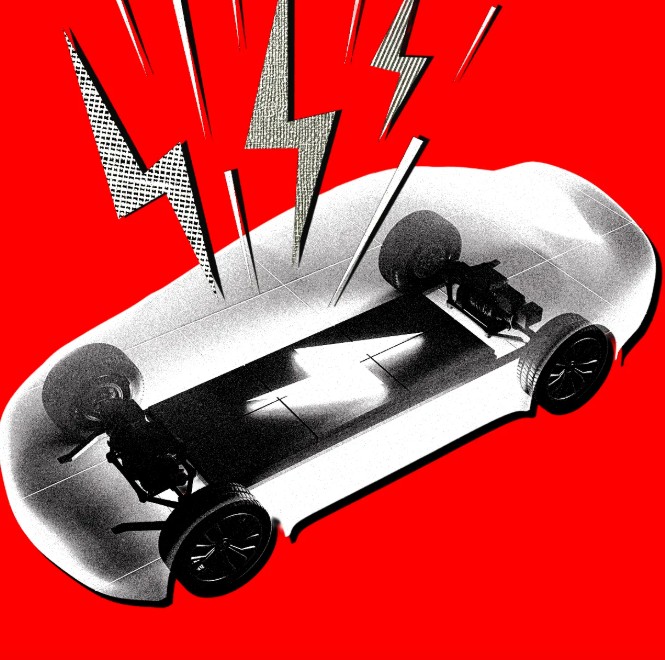
China dominates today’s lithium battery industry through companies such as BYD and CATL, making it difficult for competitors to gain ground. Taiwanese startup ProLogium believes the transition to solid-state batteries offers a rare opportunity to reset the competitive landscape. Instead of using liquid electrolytes, solid state batteries rely on solid materials that improve safety, increase energy density, and perform better in demanding conditions. Although the technology has long been considered difficult to manufacture at scale, ProLogium says its latest battery design is ready for commercial production beginning in 2027, tells Wired.com (full article available to subscribers).
Founded by battery researcher Vincent Yang, ProLogium has spent nearly two decades refining its technology. The company recently introduced its fourth-generation solid-state battery, which it claims is simpler and less expensive to manufacture than previous designs. To support production, ProLogium has begun building a gigafactory in Dunkirk, France, backed by significant government incentives, while also pursuing a public listing in the United States. The expansion reflects growing demand for battery supply chains outside mainland China as governments and companies seek greater technological independence.
The company sees geopolitics as an unexpected competitive advantage. Because ProLogium is based in Taiwan and manufactures outside China, it can appeal to customers looking to diversify their suppliers. At the same time, Europe and other regions are encouraging domestic battery production through industrial policies designed to strengthen energy security and reduce reliance on imported technologies.
While electric vehicles remain the long-term target, ProLogium expects its first major commercial opportunities to come from sectors that are less sensitive to battery costs. Robotics, aerospace, wearable electronics, drones, and AI data centers all value safety and reliability over price. Solid-state batteries eliminate many of the fire risks associated with liquid electrolytes, making them attractive for applications where battery failure could have serious consequences.
The company expects automotive customers to remain its largest market over time, but forecasts that emerging industries could generate a greater share of revenue because of their willingness to pay for advanced battery performance. If ProLogium succeeds in scaling production, it could demonstrate that the next phase of battery innovation will be driven not only by chemistry, but also by manufacturing strategy, supply chain resilience, and shifting global politics.
