

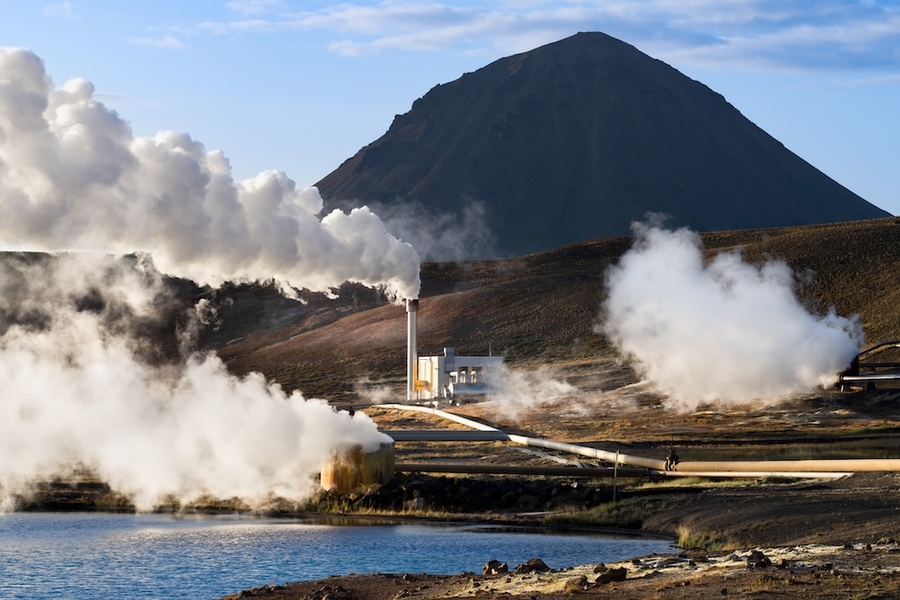
This MIT News article explores how emerging geothermal technologies could transform global energy systems by unlocking heat far deeper beneath the Earth’s surface. Unlike conventional geothermal, which depends on naturally occurring reservoirs, next-generation approaches aim to access “superhot” rock formations at greater depths, vastly expanding the potential resource base.
At the center of this effort are innovations in drilling and subsurface engineering. Techniques adapted from oil and gas, along with experimental methods such as millimeter-wave drilling, are enabling access to hotter and harder rock layers. These advances could allow geothermal systems to operate at higher temperatures, increasing efficiency and making the technology viable in more regions worldwide.
The article highlights geothermal’s unique role in the clean energy transition. Unlike solar and wind, geothermal provides steady, around-the-clock power, making it a valuable complement to intermittent renewable sources. This “firm” energy capability positions geothermal as a potential backbone for low-carbon electricity systems, particularly as demand rises from energy-intensive sectors such as data centers.
Momentum is building through research initiatives and private-sector involvement. MIT’s Energy Initiative and its partners are advancing projects that examine both technical feasibility and economic viability, including co-locating geothermal plants with large electricity consumers. These efforts reflect a broader push to move geothermal from niche deployments toward scalable infrastructure.
Despite this progress, significant challenges remain. Drilling deep wells is expensive and technically complex, and uncertainties in subsurface conditions create financial risk. Scaling projects to commercial levels will require continued innovation, supportive policy frameworks, and sustained investment.
The article ultimately presents next-generation geothermal as a high-potential but still maturing technology. If technical and economic barriers can be overcome, it could provide abundant, reliable, and carbon-free energy, reshaping how the world taps into the planet’s internal heat.
