

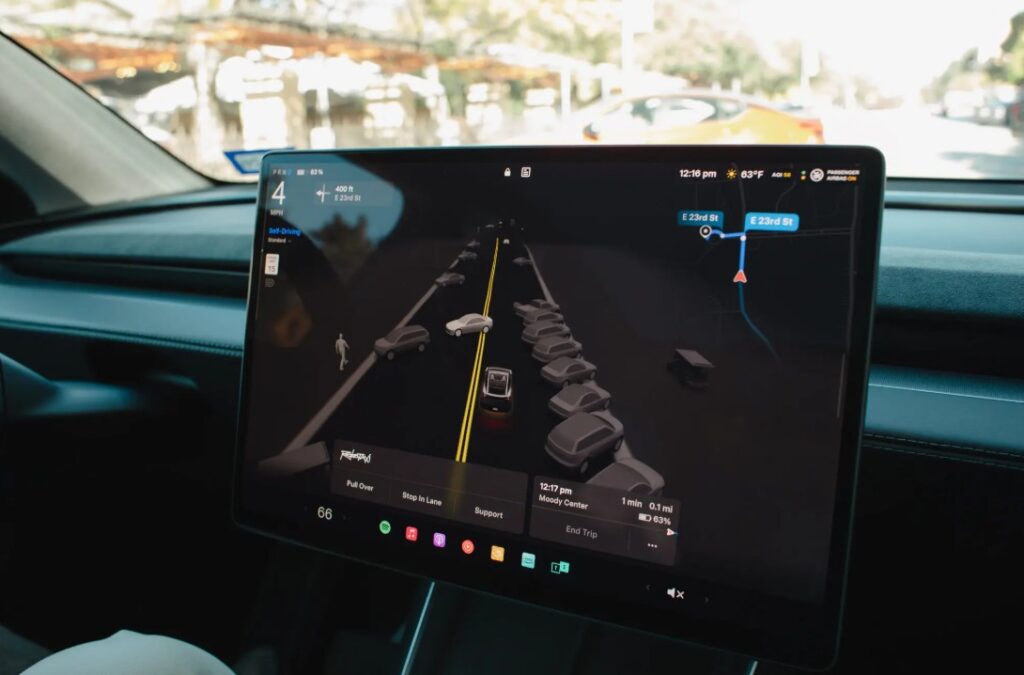
Tesla’s soaring share price reflects investor belief that the company will dominate the future market for driverless taxis. But on the ground in Austin, Texas, where Tesla is running a limited robotaxi service, the reality looks far more competitive and uncertain. Tesla is entering a crowded race led by Waymo, which holds a substantial operational and technological lead, tells The New York Times article.
A major point of contention is Tesla’s decision to rely solely on cameras for autonomous driving. Many safety and automotive experts argue this approach puts Tesla at a disadvantage because cameras struggle in fog, glare, and other challenging conditions. Rivals such as Waymo and Zoox supplement cameras with radar and laser sensors, which improve reliability. Critics note that these sensors have become far cheaper, weakening Tesla’s argument that a camera-only system delivers meaningful cost savings to consumers.
Beyond technology, analysts question whether robotaxis can generate the trillions of dollars in revenue that Elon Musk has predicted. For that scale to materialize, many people would need to abandon personal car ownership in favor of shared autonomous rides, a shift experts see as unlikely in the near term. Operating costs further complicate the business case, including remote monitoring staff, cleaning, maintenance, and regulatory compliance.
Austin officials say self-driving vehicles are already adding complexity to city traffic management. Both Tesla and Waymo vehicles have been involved in minor incidents, and Waymo has faced issues with vehicles failing to respond to police hand signals or unusual traffic situations. While Waymo has updated software and trained emergency responders, these challenges highlight how far autonomous systems still have to go.
Tesla’s presence in Austin remains modest, with about 30 robotaxis deployed, all carrying human safety monitors when transporting passengers. Waymo operates roughly 200 vehicles in the city without onboard monitors and has thousands more across multiple U.S. cities. With Waymo’s long head start and broader scale, the central question for Tesla is not ambition, but whether and how quickly it can close the gap.
