

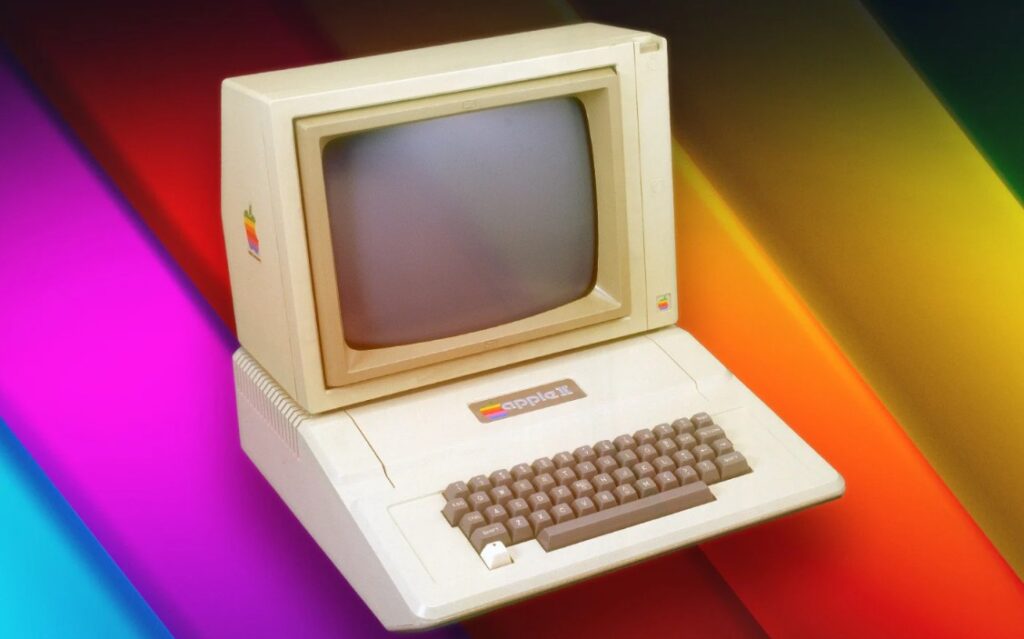
Long before smartphones and sleek laptops, a simple machine helped define what a personal computer could be. The PC Magazine article revisits Apple’s early breakthrough, focusing on the computer that set the stage for the modern PC industry and marked the company’s 50-year journey.
The story centers on Apple’s early machines, particularly the Apple II, which transformed computing from a niche hobby into a consumer product. Unlike earlier kits that required assembly and technical expertise, Apple’s design emphasized usability. It came as a fully assembled unit with a keyboard, display output, and expandability, making it accessible to individuals, schools, and small businesses.
This shift proved critical. The Apple II did not just sell hardware; it created an ecosystem. Software such as VisiCalc, one of the first spreadsheet programs, gave users a compelling reason to own a computer. For many businesses, this single application justified the purchase, effectively anchoring the personal computer as a practical tool rather than a curiosity.
The article frames this moment as a turning point. While competitors such as the IBM Personal Computer later standardized the architecture of PCs, Apple’s early machines demonstrated that computing could be personal, intuitive, and widely adopted.
Apple’s approach also introduced ideas that continue to shape computing: tight integration between hardware and software, attention to design, and a focus on user experience. These principles would later reappear in products such as the Macintosh and eventually the iPhone, reinforcing Apple’s influence across decades.
The broader argument is that the personal computer revolution did not hinge on a single technological leap but on making technology usable. By lowering barriers to entry and aligning hardware with real-world needs, Apple helped move computing into homes, classrooms, and offices.
Seen in hindsight, the machine was modest in capability but profound in impact. It did not just launch a company; it helped establish the foundation for the entire personal computing era, shaping how people interact with technology to this day.
