

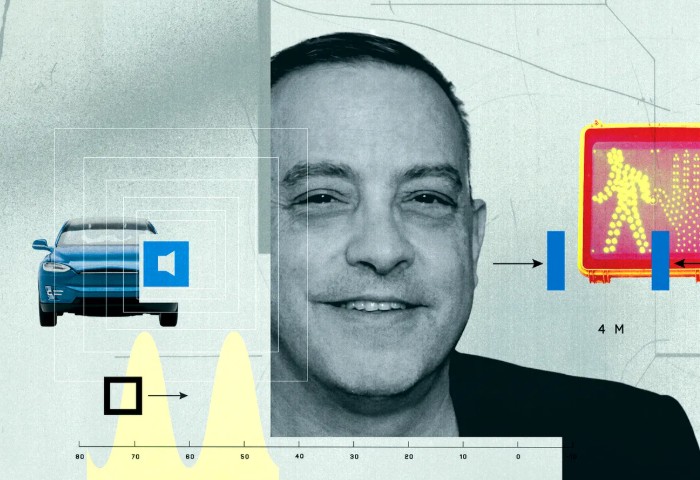
The article from IEEE Spectrum examines a growing paradox in electric mobility: the quieter vehicles become, the harder they are for pedestrians to detect. Electric vehicles (EVs), especially at low speeds, produce very little sound, removing a key sensory cue that people have relied on for decades.
This silence creates measurable safety concerns. Pedestrians, particularly those who are visually impaired, depend on auditory signals to judge when it is safe to cross streets or navigate traffic. Without engine noise, EVs can approach almost unnoticed in urban environments, increasing the risk of collisions. The issue is most pronounced in low-speed scenarios such as parking lots, intersections, and residential streets.
To address this, regulators in multiple regions now require EVs to emit artificial sounds at low speeds. But designing these sounds is far from straightforward. Engineers are not simply adding noise; they are trying to create meaningful acoustic signals that communicate motion, direction, and intent.
Early solutions often relied on synthetic beeps or generic tones, but these proved either ineffective or irritating. The current focus is on more naturalistic sounds that resemble familiar cues, such as tire movement or airflow. These are easier for pedestrians to interpret and less disruptive to the environment.
Another layer of complexity comes from urban soundscapes. If every EV emits a distinct artificial sound, cities could become cluttered with overlapping signals. That raises questions about standardization, consistency, and long-term noise impact.
The article also points toward a broader shift in vehicle design. Sound is no longer a byproduct of mechanical systems but a deliberate interface between machines and people. As EV adoption accelerates, engineers must balance safety, usability, and environmental goals, ensuring that quiet transportation does not come at the cost of awareness.
