

While clean energy technologies such as solar and wind are rapidly advancing, a major bottleneck remains in delivering that power efficiently to electric vehicles (EVs). The transition from gas-powered cars to EVs is not just about replacing engines with batteries—it involves overhauling a century-old infrastructure built around gasoline, says Tech Xplore.
One of the key challenges is the outdated electric grid. Many regions cannot handle the high demand from mass EV charging, especially during peak hours. Upgrading the grid requires enormous investment, long timelines, and coordinated planning across utilities, governments, and private sectors.
Another hurdle is the uneven deployment of charging stations. Urban areas are seeing faster growth in EV infrastructure, while rural and underserved communities lag, creating “charging deserts” that limit EV adoption. Even in cities, the availability of fast chargers is not keeping pace with the growing number of EVs.
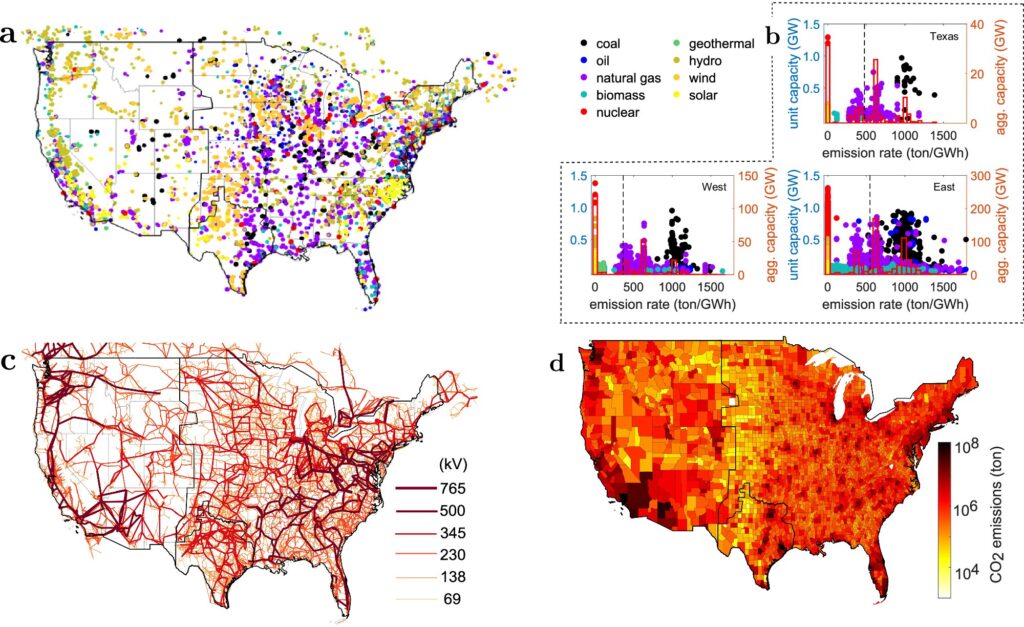
Additionally, many current charging setups still rely on electricity generated from fossil fuels. Without broader grid decarbonization, EVs risk running on “dirty power,” undermining their environmental benefits. Integrating more renewables into the grid introduces its own challenges—such as variability in solar and wind output—which requires better energy storage and smart-grid technology.
Supply chain issues also complicate the transition. From critical minerals for batteries to transformer shortages, every step of the EV ecosystem is under pressure. Addressing these challenges is essential to ensuring that clean energy doesn’t just exist, but actually powers the next generation of transportation.
