

When a plastic object bends sharply and turns white along the stressed region, the change is not simply cosmetic. The whitening is a visible indicator of microscopic structural damage occurring inside the polymer. Materials scientists refer to this effect as stress whitening, a phenomenon that emerges when mechanical strain alters the internal structure of plastic.
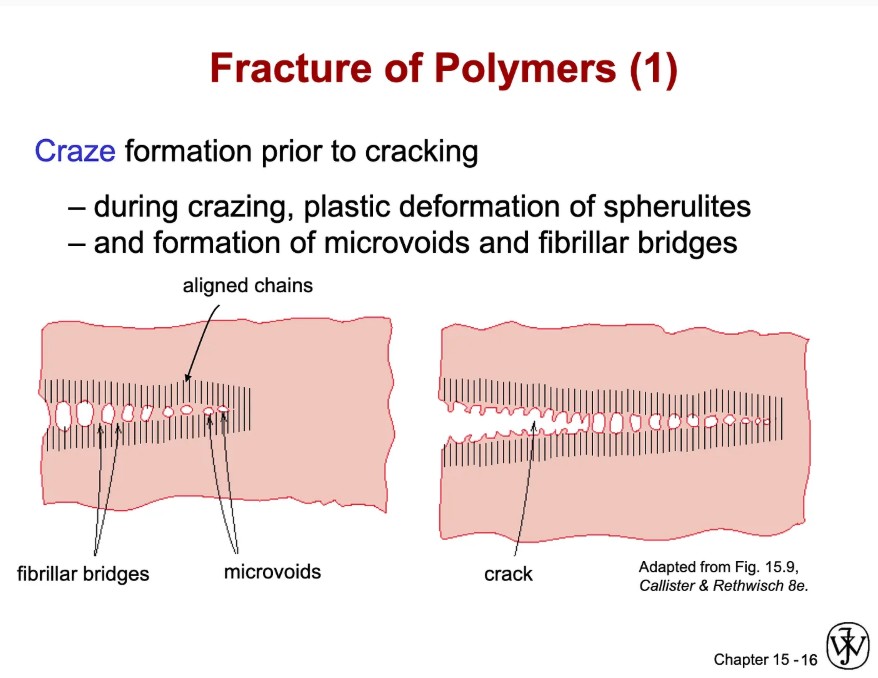
Most plastics consist of long molecular chains packed into a semi-ordered structure. Under normal conditions, these polymers transmit or reflect light in predictable ways, giving the material a uniform color or transparency. When the plastic experiences high local strain from bending or snapping, however, the molecular network begins to deform. At stressed locations, the polymer chains stretch and separate, creating microscopic damage zones known as crazes, tells Hardware FYI.
Crazes are made up of tiny voids bridged by extremely thin polymer fibrils. Although these structures are too small to see directly, they change the optical behavior of the material. The voids introduce regions whose refractive index differs from the surrounding plastic. Light that once passed through smoothly is now scattered in many directions. To the human eye, this diffuse scattering appears as a white or cloudy patch along the bend.
In practical terms, the whitening marks the boundary where the material has moved beyond purely elastic deformation. The polymer chains have been permanently rearranged, and the internal microstructure has absorbed energy through localized damage. While the part may still function temporarily, the appearance of white stress marks often signals that the plastic has weakened and may eventually crack or fail if additional force is applied.
This simple, everyday observation reveals an important aspect of polymer mechanics. What looks like a change in color is actually an optical signature of structural stress inside the material. The white streaks seen in bent zip ties, plastic rulers, or bottle caps, therefore, act as a visible reminder of the complex molecular behavior underlying common engineered materials.
