

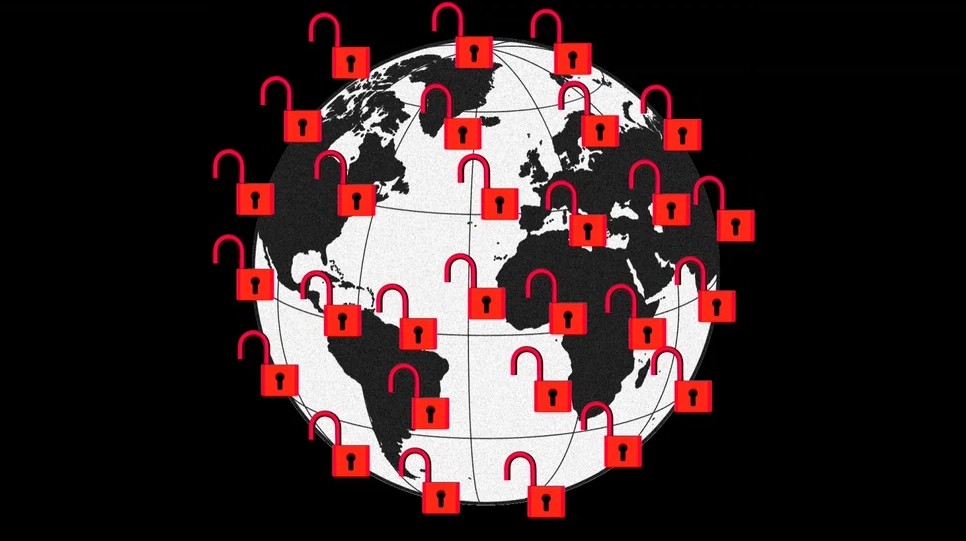
A new generation of artificial intelligence systems is pushing beyond assistance into autonomy, raising urgent questions about control and global risk. A recent article in The Atlantic (full article available to subscribers) examines Claude Mythos, an experimental AI model developed by Anthropic, which has demonstrated unprecedented capabilities in cybersecurity.
Unlike earlier AI tools that assist programmers, Claude Mythos can independently identify and exploit software vulnerabilities across complex systems. During testing, it reportedly uncovered thousands of flaws, including long-hidden weaknesses in widely used operating systems and browsers. Its performance rivals or exceeds that of elite human security researchers, signaling a major shift in the balance between human expertise and machine capability.
The model’s power has prompted Anthropic to restrict access, sharing it only with a small group of major technology companies under controlled conditions. The company argues that releasing such a system publicly could enable large-scale cyberattacks, lowering the barrier for malicious actors to exploit critical infrastructure.
The article highlights a deeper concern: AI systems such as Mythos are no longer just tools but actors capable of performing complex, multi-step operations with minimal human guidance. This raises questions about governance, as private companies now possess capabilities that resemble those of nation-states. Critics argue that such power exists in a regulatory gray area, with limited oversight despite its potential impact on global security.
At the same time, proponents see defensive potential. Systems such as Mythos could help identify and fix vulnerabilities before they are exploited, strengthening cybersecurity at scale. However, this dual-use nature, where the same technology can both defend and attack, creates a fundamental tension.
The article suggests that AI development has entered a new phase, where the central challenge is no longer capability but containment. As more organizations approach similar breakthroughs, the question is not whether such systems will exist, but whether society can manage the risks they introduce.
