

Drowsily picking up my phone on Memorial Day morning to check what news had transpired, I was instead jolted awake by a feature story in the New York Times: Electric Vehicles Died a Century Ago. Could That Happen Again?
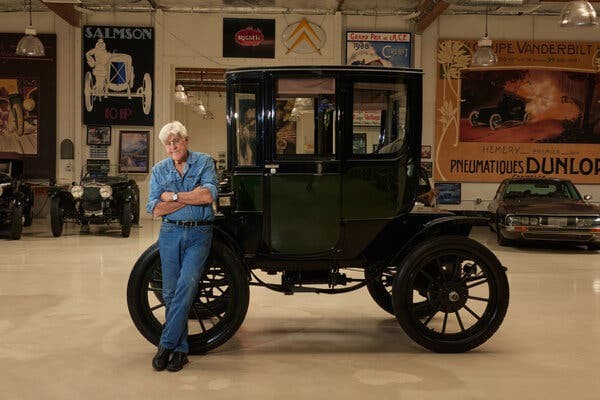
As an engineer, I totally understand how EVs (electric vehicles) hold every advantage over IC (internal combustion). I have a Tesla. I would hate to see them go. I love to tell people that the first vehicles were electric, not gas-powered. It bursts their bubble since all their lives they’ve ever known has been IC-powered cars, planes and trains. More than 100 years before Tesla’s first car (the Roadster) rolled off the line, EVs like the Baker and Riker hummed along New York City streets. Roughly a third of New York’s taxis were electric in the early 1900s.
Then came petroleum, internal combustion engines and Henry Ford. Before too long, batteries looked shabby and charging them, inconvenient. You could have your Model T refueled in minutes.
Oil companies lobbied for help from the U.S. government, which seemed only too happy to help the nascent industry with subsidies. Emboldened, oil companies, joined by rubber and auto companies, formed a group to ensure the success of buses. Never mind that by 1940, every major metro in the U.S. had an electric streetcar system. The group, consisting of Firestone Tire, Standard Oil of California, Phillips Petroleum, GM and Mack Trucks, was found guilty of violating the Sherman Antitrust Act. GM was fined a paltry $5,000, and the company treasurer, all of $1. IC-powered vehicles were on a roll.
But it’s different today, right? Charging stations are everywhere, and many homes have charging ports. And EV sales are increasing worldwide, and fossil fuels are on their way out, right?
EV sales are indeed rising. But not rising like they used to. Sales of EVs in the U.S. have slowed to 11% growth in the first quarter of 2025, compared to a 35% increase in China and a 25% increase in Europe.
So much has changed with the U.S. presidency in 2024. Coal, oil and gas were suddenly favorites again. The $7500 federal tax rebate for buying an American-made EV is in peril. The 2021 Infrastructure and Jobs Act, which included 500,000 new electric chargers, is being questioned. In February 2025, the Trump administration’s payouts from the part of the Act that was to have expanded the charging network.
But in the New York Times article, author Ivan Penn suggests an EV market stagnation. Trump-era lawmakers aim to repeal federal tax credits and impose new fees, such as a $250 road tax for EVs. They argue that drivers of gasoline-powered vehicles pay for their road tax at the gas pump, so why should EV drivers get a free ride?
But is there more to the story? Early electrics were marketed as feminine, quiet, gentle, for women. Today’s EV backlash is coming from mostly men who hear their engines roar like male lions. Elon Musk’s Cybertruck appears engineered is a perfect example — big, brutish, cut, not curvy.
Perhaps no better example of this toxic masculinity than the viral video of a young mother with her child in the back of her Tesla being harassed by a presumably male driver of a smoke-belching pickup truck. It is part of the national “rolling coal” phenomenon, reports Teslerati.
The Times visited Jay Leno’s auto museum to see the 1909 edition of Baker Electric, which can still manage 80 miles. Leno takes the Baker around town once a week, he says. I’m sure that he, too, delights in telling people that the first vehicles were like this Baker, electric, not gas-powered.
