

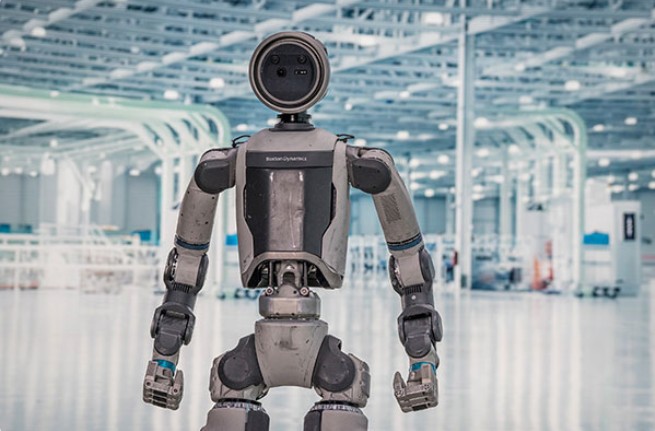
Modern robots are increasingly trained through examples rather than traditional programming. Instead of writing detailed code for every movement, engineers can demonstrate tasks or supply training data that allows robots to learn behaviors through machine-learning models. This approach reflects a broader shift in robotics toward systems that perceive their environment and adapt to new conditions, tells Digital Engineering 24/7.
Teaching robots by example begins with data. Robots rely on sensors such as cameras, lidar, and force sensors to observe the environment and understand objects around them. These inputs provide the raw information that machine-learning algorithms use to recognize shapes, track motion, and interpret human actions. By collecting large amounts of sensor data, developers can train robots to recognize patterns and respond appropriately in manufacturing or logistics tasks.
Demonstration plays a central role in the learning process. Human operators can physically guide robots through motions or perform tasks that the robot observes and records. This method, often called programming by demonstration or learning from demonstration, allows machines to replicate complex actions such as grasping objects, assembling parts, or manipulating tools. Over time, algorithms generalize from these demonstrations so the robot can perform the same task under slightly different conditions.
Simulation is another important element in robot training. Engineers frequently use digital environments to generate large training datasets before deploying robots in the real world. Virtual testing allows systems to practice thousands of variations of a task quickly and safely. Once trained in simulation, models are transferred to physical robots, where additional real-world data helps refine performance.
Despite progress, challenges remain. Robots must interpret messy, unpredictable environments where objects move, lighting changes, and materials behave differently. Ensuring reliable perception and safe interactions with humans requires careful training and validation.
As machine learning, sensors, and simulation tools continue to improve, engineers expect robots to become easier to train and more adaptable. Systems that learn from examples could expand automation beyond repetitive factory tasks to more flexible roles across manufacturing, logistics, and service industries.
