

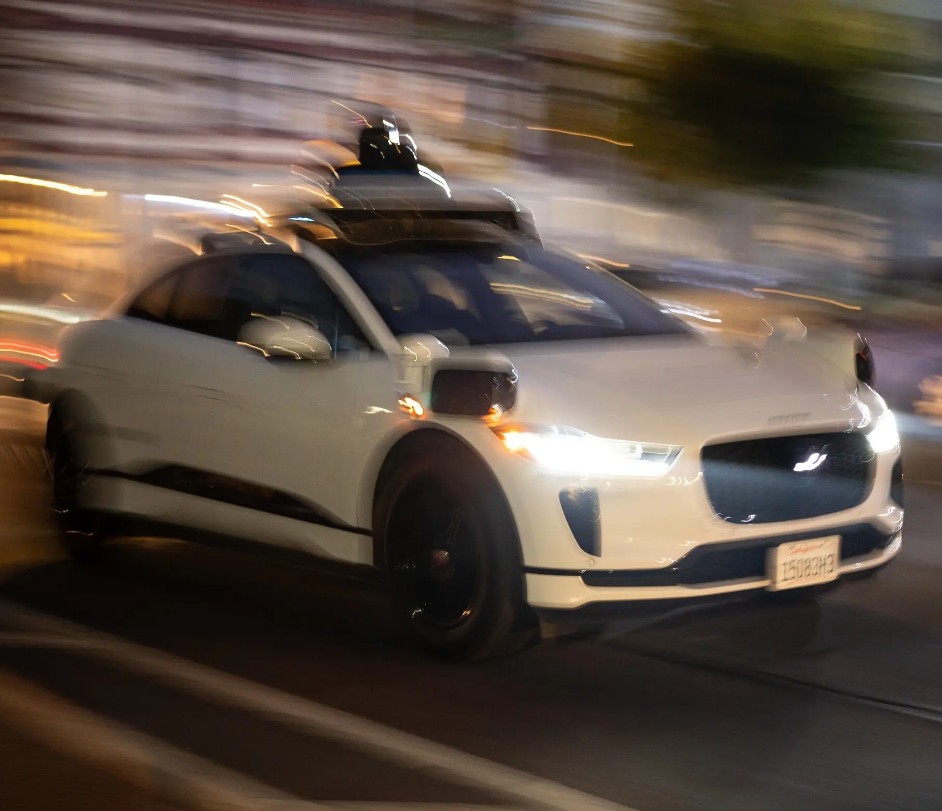
A quiet ride through the city can quickly turn unsettling when there is no driver at the wheel. The New York Times article explores a growing concern in autonomous mobility: what happens when human hostility meets rigid machine behavior. Focusing on incidents involving Waymo vehicles, it reveals how passengers can become vulnerable in situations that traditional taxis would easily avoid.
One account describes a rider trapped inside a self-driving car as an aggressive pedestrian attacked the vehicle. Because the system is programmed to stop when a person is nearby, the car remained immobilized, leaving passengers dependent on remote support while the situation escalated. With no driver to assess risk or react dynamically, the experience exposed a critical limitation of autonomous systems.
The article points to a broader trend. Autonomous vehicles, designed for safety and predictability, can be exploited by individuals who block their path, damage sensors, or harass occupants. These interactions reveal a mismatch between controlled engineering environments and the unpredictability of public streets.
At the same time, the technology continues to offer advantages. Waymo reports significantly fewer serious crashes compared to human drivers, and some passengers feel safer without a human driver present. Cameras and monitoring systems can also deter certain risks. Yet these benefits coexist with new vulnerabilities that emerge only in real-world use.
As autonomous services expand into more cities, these edge cases are becoming harder to ignore. The article suggests that improving response protocols and giving passengers more control could be essential for maintaining trust.
The broader implication is clear. Autonomous driving is not just about navigation and sensors. It must also account for human behavior, unpredictability, and conflict. Without addressing these factors, even the most advanced systems may struggle to deliver a truly safe and reliable passenger experience.
