

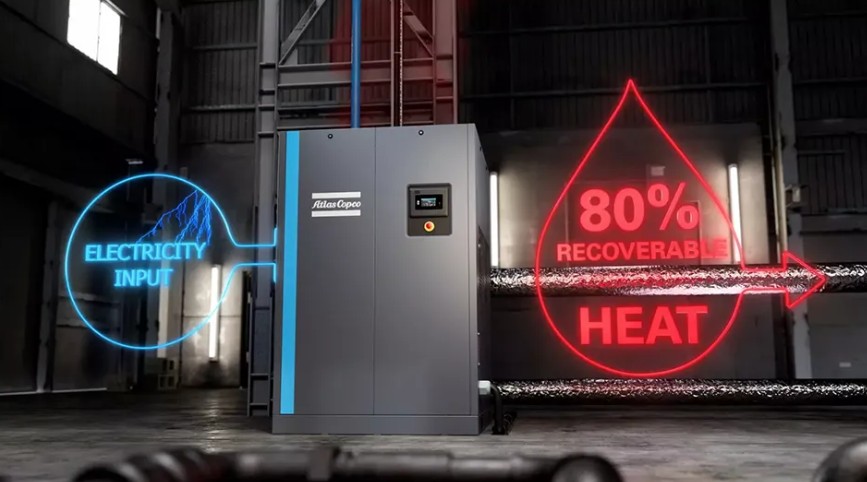
The Engineer article examines the vast amounts of thermal energy lost in industrial processes and argues that this waste represents both a problem and a strategic opportunity. Across manufacturing, power generation, and other heavy industries, a large fraction of the energy input ends up as unused heat released into the environment. This loss happens in exhaust gases, cooling water, and equipment surfaces that dump heat instead of using it for something productive. Research shows that industrial processes can lose up to half of their energy as waste heat, making it one of the biggest untapped energy resources in industry.
Capturing this heat isn’t just a theoretical exercise. A range of technologies can reclaim thermal energy, from simple heat exchangers that feed recovered heat back into processes to more advanced systems that convert heat into electricity. These technologies include heat pumps, heat pipes, heat recovery boilers, and cycles such as organic Rankine systems that turn low-grade heat into usable power. When implemented well, they reduce fuel consumption, cut costs, and lessen environmental impact by lowering greenhouse gas emissions and fossil fuel demand.
The barriers to broader adoption are both technical and economic. Many industrial facilities were designed without heat recovery in mind, so retrofitting systems can be complicated and costly. Low-temperature waste heat is especially hard to capture efficiently, and the infrastructure needed to transport and reuse heat isn’t always in place near the source. Despite these challenges, case studies show that systematic waste heat recovery frameworks can help manufacturers assess potential savings and choose the right technologies.
The article pushes back against treating waste heat as an inevitable loss. Instead, it frames wasted thermal energy as a strategic miss that smarter engineering and investment can address, delivering operational savings while supporting broader energy and climate goals.
