

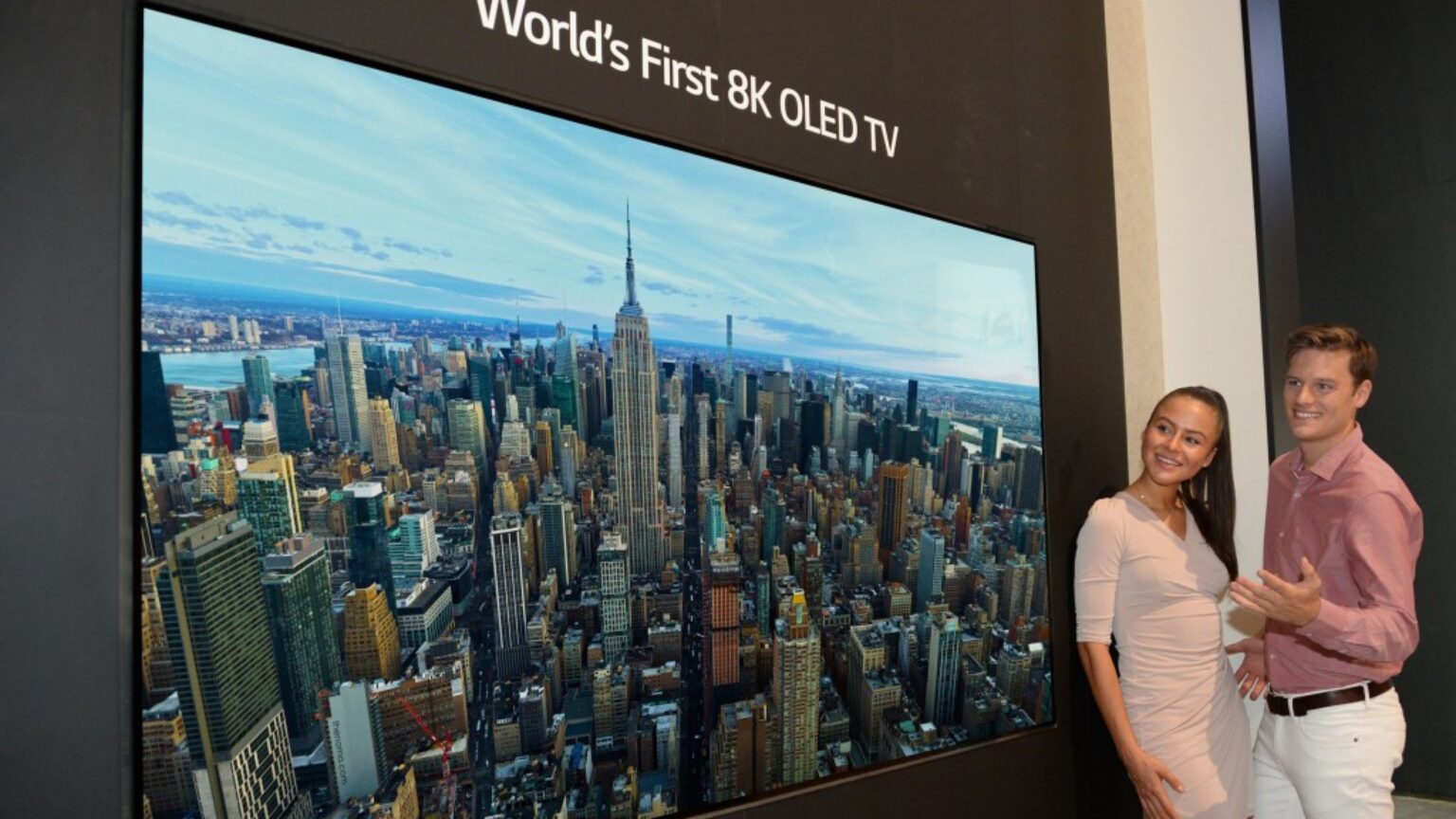
Television manufacturers are retreating from the once-heralded 8K resolution era, with recent reports showing that major companies are ending or pausing production of 8K panels and sets, tells Ars Technica. LG Display has confirmed it will stop making 8K LCD and OLED panels, and LG Electronics is not introducing new 8K TV models in its 2026 lineup, a significant shift given that it was one of the last major brands still backing the format. Sony and TCL have already exited the 8K market, leaving Samsung as the only prominent manufacturer still offering new 8K models, though even Samsung’s commitment appears measured rather than aggressive.
The decline of 8K stems from a persistent lack of native content and the limited perceptual advantages it offers at typical home viewing distances. Most streaming services, broadcasters, and physical media still focus on 4K or lower-resolution formats, leaving little available programming that takes full advantage of 8K’s 7680 × 4320 resolution. Without compelling content, consumers are reluctant to invest in TVs with extremely high price tags, and production ecosystems have little incentive to create more 8K material.
High retail prices have also dampened adoption. Even flagship 8K sets cost significantly more than premium 4K models, with limited visual gains for most viewers, especially at standard living-room viewing distances where the human eye cannot easily distinguish the finer pixel density. With sales lagging and inventory clearing out, support for 8K as a mainstream format is shrinking.
The broader market is shifting its focus back to 4K and enhanced display technologies that improve brightness, contrast, and color without requiring four times the resolution of 4K. As manufacturers prioritize these improvements, 8K is receding into a niche category, mainly for very large screens or specific professional applications rather than mass-market TVs.
