

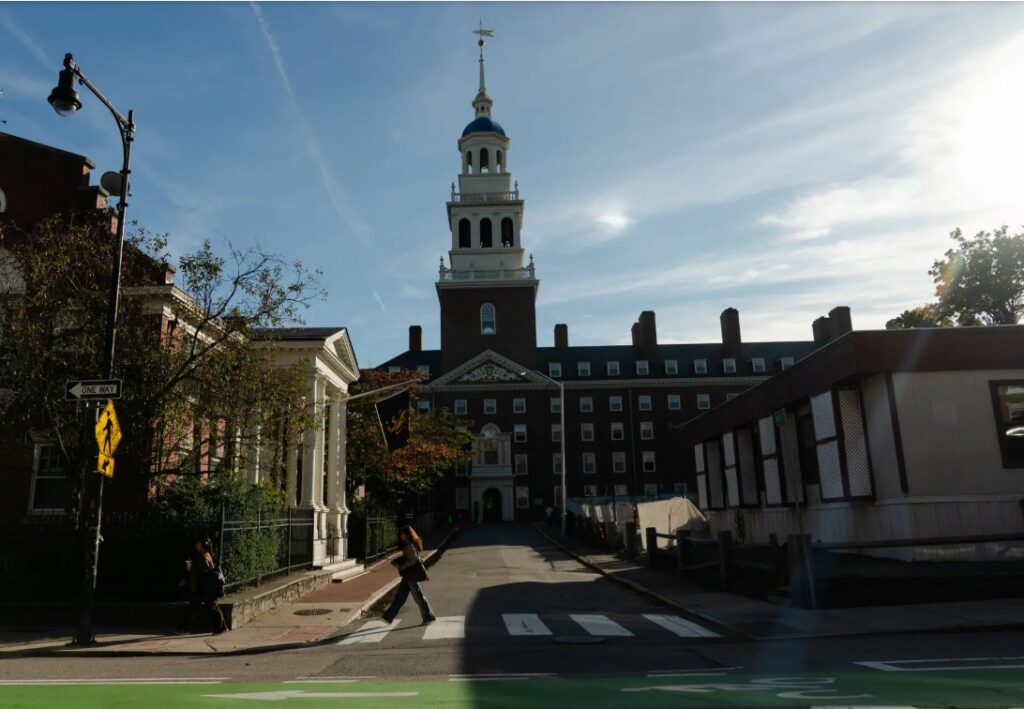
Global university rankings based on research output are showing a significant shift in academic power away from the United States and toward China. Until recently, Harvard was the world’s most productive research university by measures such as published papers and citations. It has now fallen to third place in the Leiden Rankings, while Chinese institutions have surged. Zhejiang University currently ranks first, and seven other Chinese universities sit in the top ten. Harvard remains the only American university near the top, even though it still leads globally in highly cited papers, tells The New York Times.
The change is not driven by declining U.S. research productivity. Many leading American universities, including Stanford, Johns Hopkins, UCLA, and the University of Michigan, are producing more research than they did two decades ago. The difference is that Chinese universities have expanded output at a far faster rate, supported by sustained government investment in higher education and research capacity. Chinese scholars are also publishing more frequently in English-language journals, increasing global visibility and citation impact.
The trend carries national implications. Experts warn that weakening research leadership could reduce America’s long-term scientific and economic competitiveness. At the same time, U.S. universities face new pressures from federal research funding cuts, immigration restrictions, and declining international student enrollment. In August 2025, international student arrivals dropped 19% year over year, a shift that could further erode institutional standing.
China, by contrast, is actively recruiting global talent and has introduced new visas for science and technology graduates. President Xi Jinping has openly framed scientific leadership as a pillar of national power, while the Trump administration has pursued deep reductions in federal research grants.
Rankings that emphasize research output increasingly favor Chinese institutions, including systems such as the Nature Index and University Ranking by Academic Performance. Broader rankings still place many U.S. universities near the top, but downward movement is visible across the list. Analysts note that the full effects of current funding cuts may take years to appear, due to the long time lag between research investment and publication output.
