

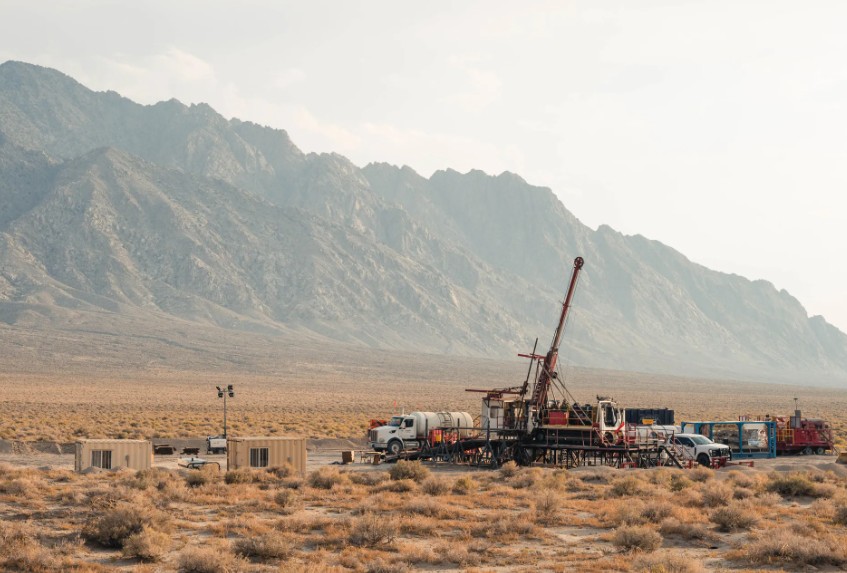
A U.S. geothermal startup, Zanskar, claims to have located a commercially viable geothermal reservoir deep beneath Nevada, the first such find in decades, tells this article from Wired.com. Using AI to process geological data at scale, the company identified what are known as “blind” geothermal systems: heat-rich underground reservoirs that show no surface signs such as hot springs or steam vents.
The discovery reflects a long pause in conventional geothermal exploration. In the 1970s and 1980s, the U.S. government drilled systematically for such hidden systems in Nevada, but limited data and high costs caused the program to stall. Since then, geothermal development has focused mostly on known hydrothermal systems, and today geothermal power contributes less than 1% of U.S. electricity.
What makes Zanskar’s achievement different is the AI-enabled search, which dramatically improves the odds of spotting productive sites without drilling blindly. The company builds on decades of academic geological work, particularly the efforts of researchers mapping fault patterns and underground conductivity.
Zanskar’s founders believe this success could signal a turning point. If further testing confirms adequate heat and water flow rates, the site could be converted into a power plant.
Beyond this specific site, the find hints at a far larger geothermal potential hidden beneath the western United States. Some experts now reckon such hidden systems could yield tens or even hundreds of gigawatts of clean, reliable power, enough to reshape the renewable energy landscape.
