

As electricity demand surges across the United States, driven by artificial intelligence, data centers, electrified manufacturing, and the broader energy transition, concerns are growing about whether the nation’s power grid can keep pace. An interview in IEEE Spectrum argues that the challenge may not be a simple shortage of infrastructure. Instead, a significant portion of the grid’s existing capacity remains underutilized and could be unlocked through modern technologies and policy reforms.
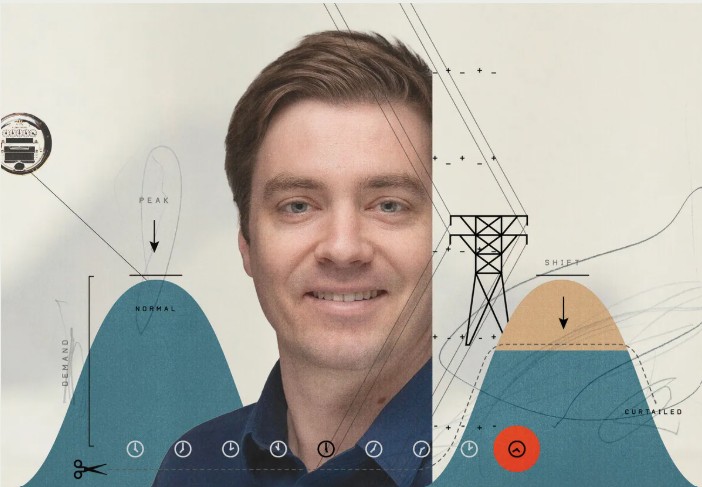
According to Ian Magruder, founder of the Utilize Coalition, the U.S. grid typically operates at only 40–55% of its capacity. This apparent inefficiency stems from the way the grid was designed. Utilities must maintain enough capacity to meet demand during the hottest summer afternoons or coldest winter mornings, even though those peak conditions occur only a few hours each year. As a result, much of the system remains unused for long periods.
Rather than relying exclusively on new power plants and transmission lines, the coalition advocates for technologies that make better use of existing assets. These include demand-response systems, smart controls, distributed energy resources, energy storage, and grid-enhancing technologies that enable operators to increase utilization without compromising reliability. Similar technologies have already demonstrated measurable gains in transmission capacity and operational efficiency.
The discussion comes at a critical time. Data center expansion and AI-related computing needs are placing unprecedented pressure on electricity networks, prompting regulators and grid operators to seek faster ways to connect large energy users while maintaining stability and affordability. Recent actions by U.S. regulators reflect the urgency of addressing these challenges.
The article suggests that improving grid utilization could deliver benefits beyond meeting rising demand. More efficient use of existing infrastructure could reduce costs for consumers, accelerate electrification, and delay expensive construction projects. While grid expansion will still be necessary in many regions, the research highlights a substantial opportunity to extract greater value from assets that are already in place, reshaping the conversation about the future of American energy infrastructure.
