

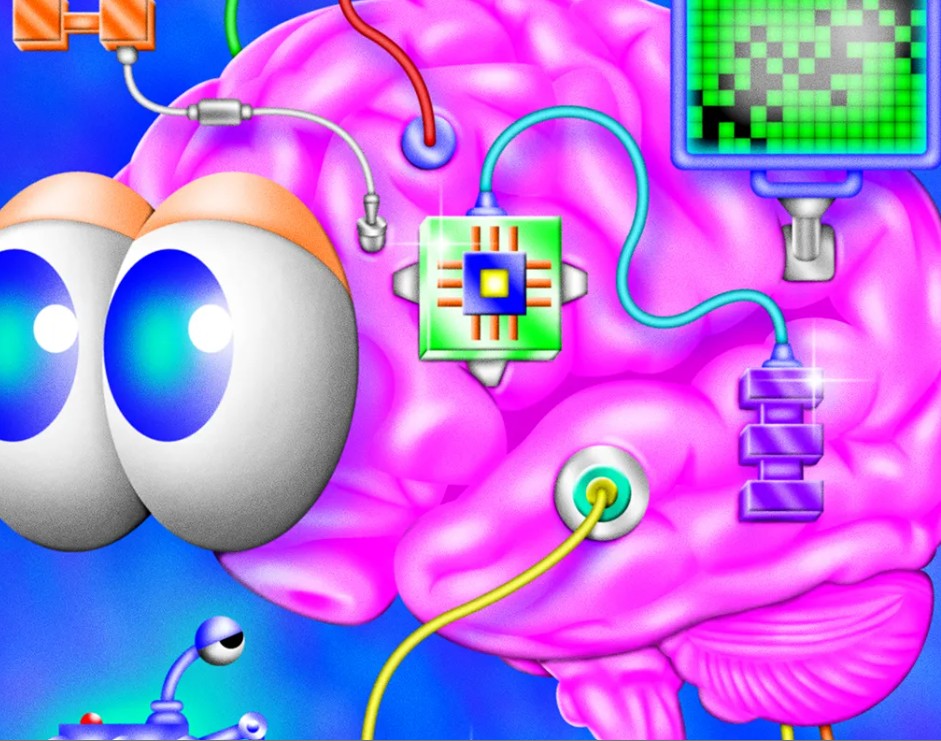
A new phase in wearable technology is emerging, one that moves beyond tracking steps, heart rate, or sleep patterns and instead focuses directly on the brain. The Wired.com article positions this shift through a familiar lens: earlier devices such as fitness trackers are now considered outdated, more recent tools such as smart rings are losing novelty, and the next frontier lies in wearable neurotechnology.
Unlike traditional wearables, these new devices use electroencephalography to monitor brain activity and interpret mental states such as focus, relaxation, or sleep readiness. Some products go further, attempting not just to measure but to influence the brain. For example, headbands can deliver acoustic stimulation to guide users into deeper sleep cycles, while EEG-enabled headphones track concentration and prompt breaks to improve productivity.
The scope of applications is expanding rapidly. Neurotech is being explored for medical use, including treating depression with noninvasive stimulation, as well as enabling communication for people with speech impairments. Experimental systems also allow users to control devices, play games, or interact with digital environments using only brain signals. This convergence of AI and brain-computer interfaces suggests a future where interaction with technology becomes more intuitive and less dependent on physical input.
Major technology companies are taking notice. Apple, for instance, is exploring brain-controlled interfaces and integrating such capabilities into its broader ecosystem. At the same time, startups are pushing open platforms that could enable developers to build applications directly on brain data, potentially creating entirely new software categories.
Despite the promise, the article raises significant ethical and privacy concerns. Brain data is deeply personal, revealing emotional and cognitive states that go far beyond traditional biometric data. Questions around data ownership, consent, and potential misuse, such as workplace monitoring or targeted advertising, remain unresolved.
The trajectory is clear: wearables are becoming less about external metrics and more about internal cognition. As the technology matures, the boundary between human thought and digital systems may grow increasingly thin, reshaping both personal technology and the expectations surrounding it.
