

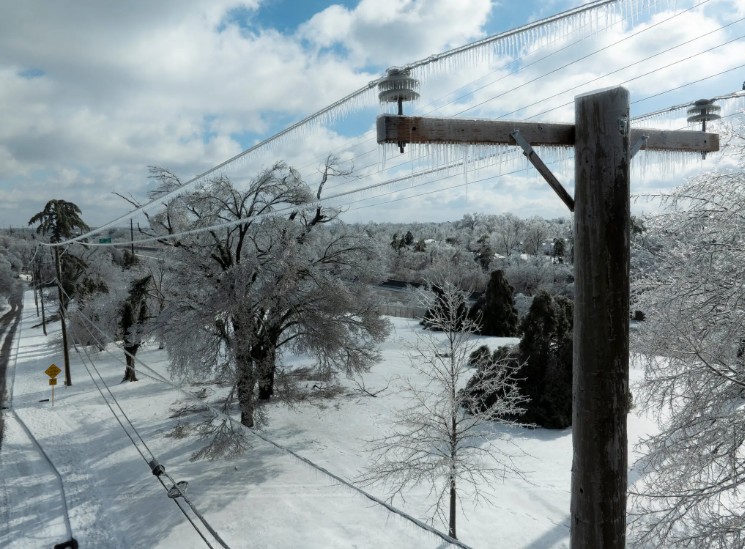
Keeping electricity flowing across the eastern United States has become increasingly difficult during winter cold snaps. Grid operators have avoided large-scale supply failures, yet they have relied on emergency measures, overworked power plants, and government assistance to maintain stability. Most recent outages came from storm damage, but the underlying problem is structural. Winter now represents one of the most fragile periods for the nation’s energy system, and future demand will rise, says The New York Times.
Cold weather creates a distinct challenge. Unlike summer peaks, which typically occur once each afternoon or evening, winter electricity demand spikes twice daily, in the early morning and again at night. At the same time, millions of homes burn natural gas for heating. Power plants also depend heavily on gas to meet short-term demand. This dual reliance strains pipelines, raises fuel prices, and in regions such as New England can force utilities to burn oil and diesel instead. Gas infrastructure can also fail under extreme cold, compounding the risk.
Electrification will intensify the problem. More electric vehicles, data centers, factories, and heat pumps will push demand higher year-round. Heat pumps can reduce emissions and overall energy use, yet federal tax credits that encouraged adoption have expired. Other low-carbon resources, including nuclear power, wind, geothermal, long-duration storage, and new transmission, could ease winter pressure, but political barriers and slow buildout have limited progress.
The article argues for a pragmatic approach. Efficiency must come first through insulation, smarter grid integration, and residential batteries to reduce peak loads. Still, demand-side measures will not be enough. The Northeast will need significantly more reliable supply. Without alternatives, grid operators will continue burning fossil fuels during crises.
Nuclear power receives particular attention as a dependable, zero-carbon source. New York’s proposal to add capacity is framed as a starting point, with a regional strategy suggested as a more durable solution. The conclusion is direct: absent sustained investment in clean, firm power and infrastructure, winter reliability will continue to depend on the very fuels climate policy seeks to leave behind.
