

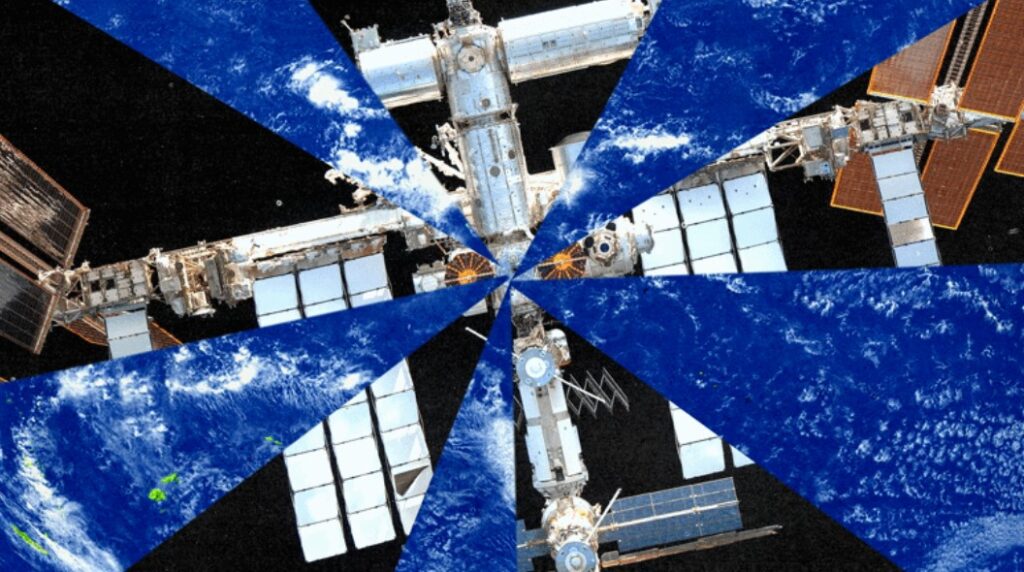
The International Space Station has functioned for more than two decades as a cooperative engineering marvel, but Wired.com explores what would constitute its worst-possible emergency—a large breach in the station’s pressurized hull caused by high-speed orbital debris. The hazard stems from a growing cloud of space junk, such as spent rocket stages, defunct satellites, fragments from anti-satellite tests, and micron-sized particles, travelling at orbital velocities around 17,000 mph that constantly threaten structures in low Earth orbit. Debris occasionally pings the ISS, leaving small dents and scratches, but if a chunk large enough to puncture a module were to penetrate the station’s shell, the cabin atmosphere would start escaping rapidly, triggering alarms and forcing immediate action from the crew. Astronauts and cosmonauts would try to plug the hole or isolate the affected compartment, but serious breaches sharply shorten available time before life-support failure. One NASA estimate suggests that a 20-centimeter-wide breach could allow the atmosphere to drop so fast that crews might have only minutes to respond. If that window closes, the worst outcome would be evacuation to docked vehicles and abandonment of the station.
The report also notes limitations in tracking and avoiding debris. NASA and military sensors monitor only larger objects and can direct avoidance burns when threats are predicted, but smaller pieces remain undetectable until they strike. Protective shielding such as Whipple bumpers can blunt tiny fragments but cannot stop all threats. In the scenario of an unrecoverable loss of atmosphere control, plans call for deorbiting the station over an ocean with the deorbit vehicle crew, if available, guiding the ISS safely through reentry. Without control capabilities, pieces of the massive structure could survive atmospheric entry and fall unpredictably over wide areas, posing a risk on the ground as well as in space.
Underlying these worst-case possibilities is the reality of an aging orbital laboratory. Sections such as the Russian Zvezda service module have slowly leaking pressure and require careful management, and NASA plans to retire the ISS by 2030. The article argues that while catastrophic failure is unlikely, it remains the station’s most frightening vulnerability—and a reminder of the fragility of human-built infrastructure in a harsh environment.
