

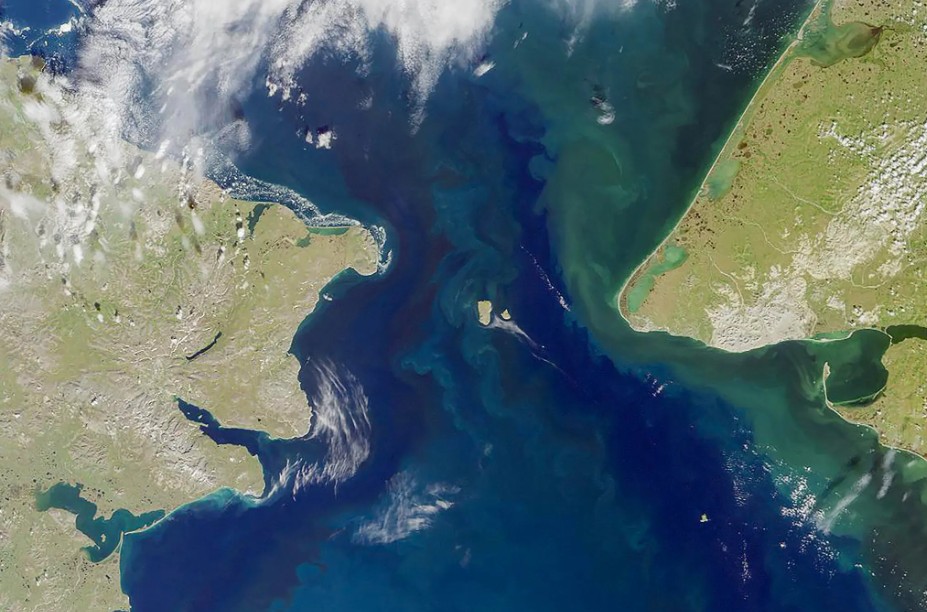
A provocative new idea has entered the climate conversation: constructing a massive dam across the Bering Strait to influence global ocean circulation. The concept, proposed by Dutch researchers, aims to stabilize the Atlantic Meridional Overturning Circulation (AMOC), a critical system of ocean currents that helps regulate climate across the Northern Hemisphere, tells The New York Times.
The AMOC functions as a vast conveyor belt, transporting warm, salty water from the tropics toward Europe, where it releases heat into the atmosphere before cooling and sinking. This circulation plays a major role in shaping weather patterns across Europe, Africa, and the Americas. However, climate change is disrupting this system. Rising temperatures are increasing rainfall in the Arctic and accelerating ice melt from Greenland, adding fresh water to the North Atlantic. This reduces salinity, weakening the sinking process that drives the AMOC.
The proposed dam would block the flow of fresh water from the Pacific into the Arctic Ocean through the Bering Strait. In theory, this could help maintain higher salinity in the North Atlantic and stabilize the AMOC. Computer simulations suggest that timing is critical. If the AMOC remains relatively strong, the dam could reinforce it. If it is already near collapse, the same intervention could worsen the situation.
Researchers emphasize that the idea is only a proof of concept. Significant uncertainties remain, including the current state of the AMOC and the broader environmental consequences. The scale of such a project would be immense, comparable to some of the largest coastal engineering works ever attempted, and once built, it would be difficult to reverse.
Critics point to potential disruptions to marine ecosystems, fisheries, and global shipping routes. Even if technically feasible, the risks may outweigh the benefits. The proposal underscores a deeper reality: as climate risks intensify, increasingly extreme interventions are being considered, even as emission reductions remain the most reliable path forward.
