

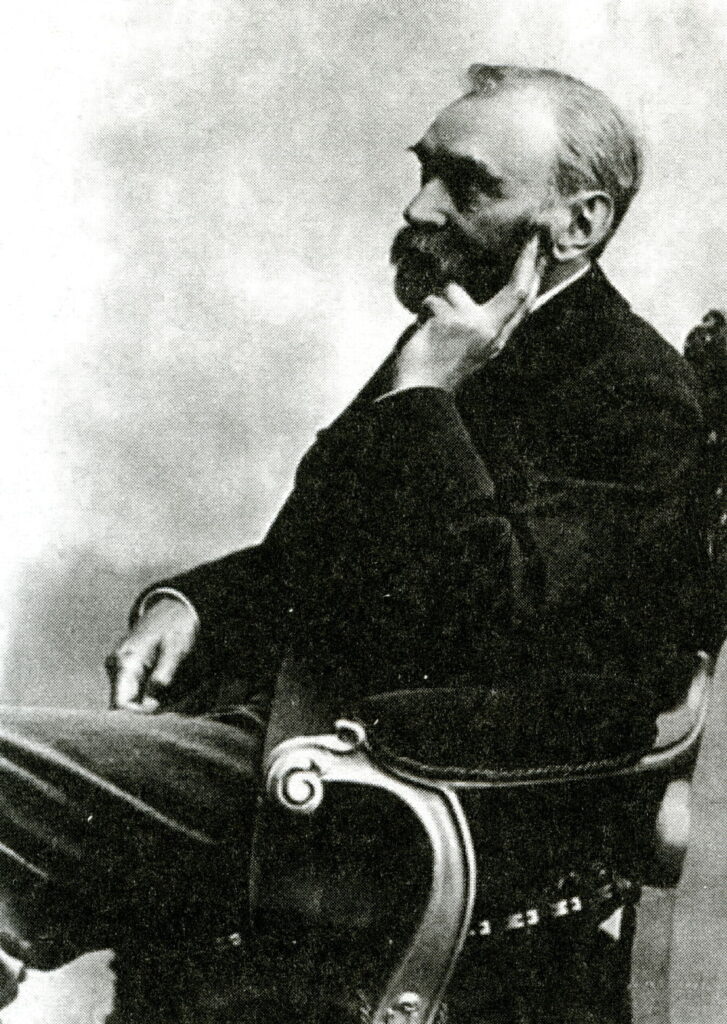
The Engineer examines the complex life and legacy of Alfred Nobel, an engineer whose work transformed both industrial progress and global recognition of human achievement. Best known for inventing dynamite, Nobel built his career on harnessing the volatile power of nitroglycerin and turning it into a controlled, practical tool for construction and mining. His innovations, including detonators and more stable explosive compounds, enabled large-scale infrastructure projects such as tunnels, railways, and canals.
Yet the same technologies that advanced engineering also contributed to warfare, placing Nobel in a moral paradox. He amassed significant wealth through explosives manufacturing and industrial ventures, but his work earned criticism for its destructive applications. The article highlights this tension as central to understanding his legacy: a scientist driven by innovation but increasingly aware of its consequences.
A turning point came late in Nobel’s life, when concerns about how he would be remembered prompted him to reconsider his impact. In his will, he directed the majority of his fortune toward establishing annual prizes to honor those who contribute to humanity in fields such as physics, chemistry, medicine, literature, and peace. These awards, first presented in 1901, have since become among the most prestigious global recognitions of intellectual and humanitarian achievement.
The article also emphasizes Nobel’s broader identity beyond explosives. He held hundreds of patents, worked across multiple countries, and maintained a deep interest in literature and philosophy. This intellectual breadth shaped both his scientific work and his vision for the prizes that bear his name.
Ultimately, Nobel’s story reflects a broader engineering dilemma: innovation often carries unintended consequences. His legacy bridges that divide, linking the raw power of industrial invention with a lasting commitment to human progress.
