

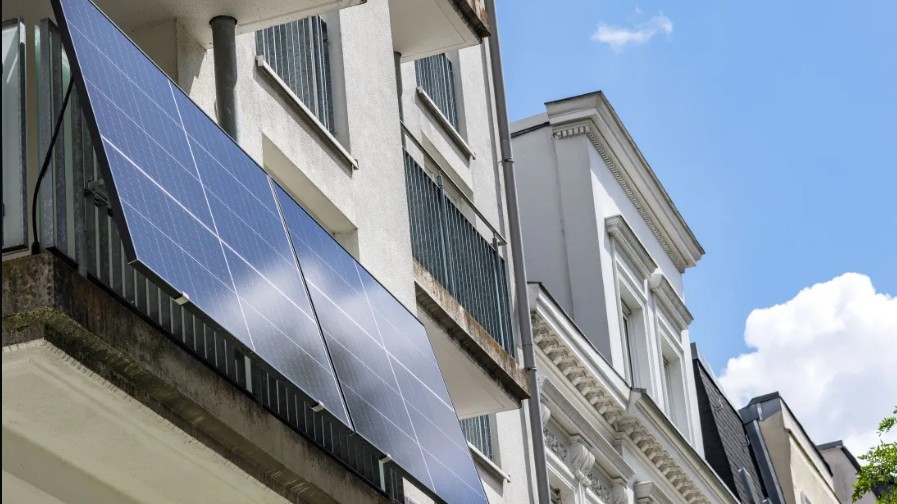
A quiet energy revolution is unfolding across Europe as compact balcony solar systems gain popularity among apartment residents seeking cheaper electricity and greater energy independence. A report from MIT Technology Review (full article available to subscribers) examines the rapid rise of these plug-in photovoltaic kits, which allow renters and urban homeowners to generate electricity without installing full rooftop solar systems.
Often called “balcony solar” or “plug-in solar,” these systems typically consist of one or two solar panels connected to a small inverter that plugs directly into a household electrical outlet. Unlike traditional rooftop arrays that require extensive permitting and professional installation, balcony systems are relatively inexpensive and simple to deploy. In countries such as Germany, demand has surged as energy prices remain volatile and governments encourage distributed renewable power generation.
Germany has emerged as the center of the movement. Regulatory reforms have made it easier for tenants and apartment dwellers to install small solar setups without navigating lengthy approval processes. According to the article, hundreds of thousands of units have already been registered, with many more likely operating unofficially. The technology has become especially attractive in dense urban areas where residents previously had limited access to renewable energy infrastructure.
The systems are not designed to power entire homes. Instead, they offset baseline electricity consumption from refrigerators, internet routers, lighting, and household electronics. Even modest reductions in grid dependence can lower electricity bills over time. Supporters also view balcony solar as a democratization of renewable energy because it extends participation beyond property owners with detached houses.
The boom, however, has also introduced new engineering and regulatory questions. Utilities and safety officials continue debating grid impacts, electrical standards, and fire risks associated with improperly installed systems. Some critics argue that the energy contribution remains too small to meaningfully influence national emissions targets.
Still, balcony solar represents a broader shift toward decentralized energy systems. Rather than relying solely on large utility-scale infrastructure, cities are increasingly experimenting with distributed technologies that allow individuals to become small-scale power producers. The movement reflects changing attitudes toward energy generation, especially in urban environments where access to renewable power was once limited almost entirely to rooftop homeowners.
