

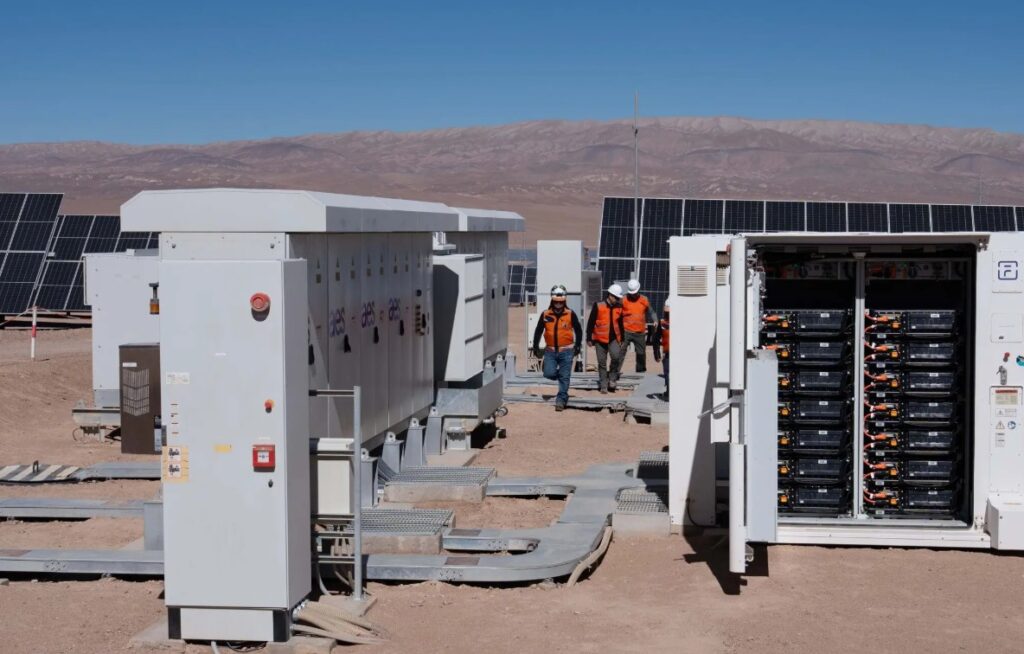
Researchers and industry observers report that the price of grid-scale batteries has dropped significantly, making energy storage more accessible and reshaping how electric grids operate, tells this article from The New York Times.
Over the past few years, the cost of lithium-ion battery packs has plunged, driven by falling raw-material costs, improvements in manufacturing scale, and growing competition. As battery costs have dropped, storage systems have become a viable alternative to traditional grid tools such as fossil-fuel peaker plants.
This shift brings multiple benefits: batteries store excess power (especially from renewables such as solar or wind) when supply outpaces demand, then release it when demand peaks. That flexibility helps balance fluctuations in generation and demand, smooth out variability, and reduce reliance on fossil-fuel backup.
In practical terms, many utility-scale storage projects (some sized like shipping containers) are already helping stabilize electricity delivery, delay or replace the need for new gas or coal plants, and support integration of intermittent renewables. As battery costs continue to drop, even amid supply-chain headwinds or policy uncertainty, the case for storage as infrastructure grows stronger.
Falling battery costs are doing more than lowering prices for storage systems. They are enabling a transformation in how electric grids are managed, making power delivery more reliable, cleaner, and better able to handle the push toward renewables and flexible demand.
