

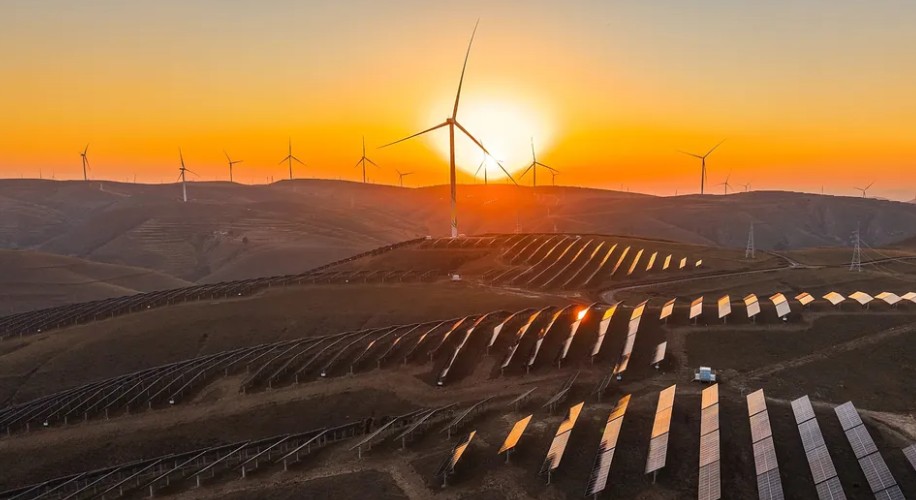
In 2025, renewable energy, especially solar and wind, marked a turning point in global electricity generation. Solar and wind electricity systems expanded rapidly, registering a 109% increase worldwide and producing more power than coal for the first time, according to analysis by Ember Energy Research. China led this growth, followed by India, the European Union, Brazil, Vietnam, Kenya, and Mozambique, even as fossil fuels remain entrenched in many nations’ grids. Solar deployment was especially strong, contributing over 600 gigawatts of new capacity, tells Live Science.
In the United States, renewables also made notable gains. Solar generation increased by about 37% last year and wind by roughly 12%. Overall, renewable sources supplied about 24% of U.S. electricity generation, and in March 2025, they produced more than half of the national output for at least one month. That milestone marked the first time fossil fuels fell below the halfway mark in the national energy mix. Solar accounted for roughly 85% of the new generating capacity added to the U.S. grid.
The economics behind this surge are simple: the costs of building utility-scale solar and wind facilities have dropped sharply over the past 15 years, making these resources competitive with, or cheaper than, traditional sources such as natural gas and coal. Price declines continued even after temporary disruptions from pandemic-era supply chain issues. Battery storage costs are also falling, enhancing renewables’ ability to deliver reliable power when the sun isn’t shining and the wind isn’t blowing.
Despite this momentum, policy shifts in the United States could slow future expansions. Federal incentives for clean energy have been reduced or reversed, and new permitting restrictions on wind and solar projects may dampen investment. Industry advocates warn that without stable policy support, momentum in renewable deployment and cost improvements could falter.
The broader energy landscape shows renewable growth now driven by market forces and falling costs, not solely by government mandates. Even where political support weakens, economic viability and global investment patterns suggest solar and wind will continue to gain market share in the world’s electricity systems.
