

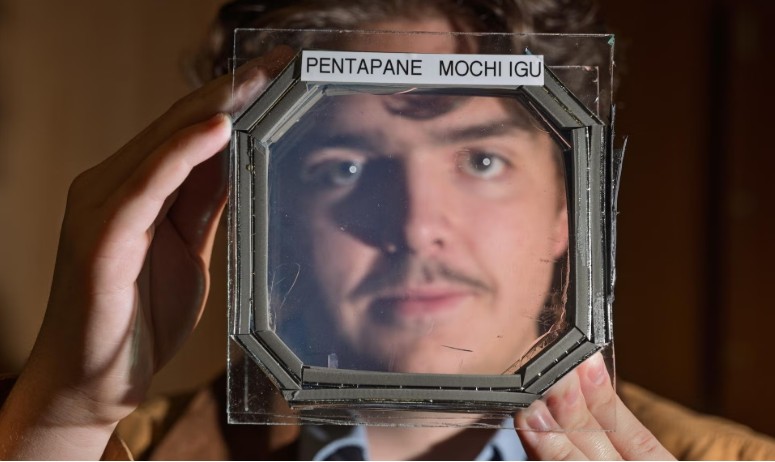
Researchers at the University of Colorado Boulder have developed a new transparent insulation material that can reduce heat transfer through windows while keeping views unobstructed. Traditional insulation works well in walls but not in windows because materials that block heat typically block light or distort what you see. The new material, called Mesoporous Optically Clear Heat Insulator (MOCHI), traps air in extremely tiny pores inside a clear silicone gel. Those air pockets slow heat flow, yet the material lets visible light pass through nearly unchanged, so it’s almost invisible on a window, tells CU Boulder Today.
MOCHI is made either as thick slabs or very thin sheets that could be applied to the inside of existing windows. In lab demonstrations, a sheet only a few millimeters thick can hold a flame without burning through, showing just how effective it is at stopping heat flow. That’s a big deal because energy lost through windows accounts for a large chunk of heating and cooling demand in buildings. In most countries, buildings use about 40% of total energy, and windows are a major source of unwanted heat gain in summer and heat loss in winter.
The team’s design differs from other transparent insulators, such as aerogel, which also traps air but often scatters light and looks cloudy. MOCHI’s pores are engineered at a scale much smaller than a hair’s width, reducing heat conduction without degrading clarity. That could make a concrete difference for energy efficiency in homes and offices, cutting the need for heating or air conditioning without sacrificing aesthetic appeal.
Right now, the material exists only in the lab and isn’t commercially available. The researchers published their results in the journal Science and say future work will explore manufacturing and broader uses. If production can scale, MOCHI could become a major tool in building energy upgrades, helping reduce energy waste while preserving daylight and views, a rare combination in window technology.
