

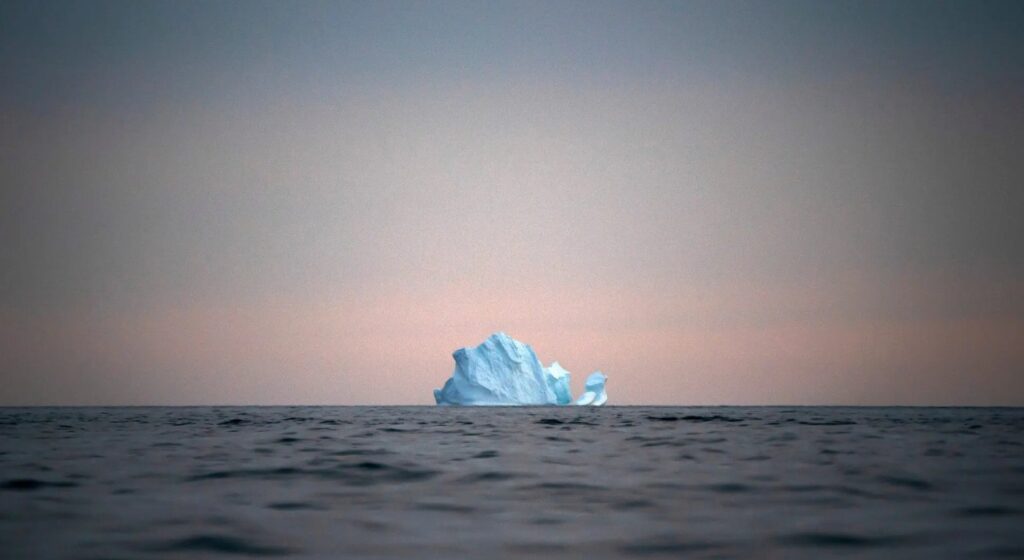
Greenland’s accelerating ice loss has become a global issue with environmental, economic, and geopolitical consequences. The world’s largest island is almost entirely covered by ice, yet rising temperatures driven by emissions from coal, oil, and gas are causing rapid and sustained melting. The Arctic is warming at least twice as fast as the rest of the planet, making Greenland one of the clearest indicators of climate instability, tells The New York Times.
Scientific measurements underscore the scale of change. In the year ending August 31, 2025, Greenland lost 105 billion metric tons of ice. Its ice sheet has been thinning for nearly three decades and has shrunk by almost 2,000 square miles since 1985. Sea levels have already risen about four inches since 1993, increasing flood risks for coastal regions worldwide. While a complete melt of Greenland’s ice this century is not expected, researchers warn that the long-term trajectory points toward continued loss. Melting also weakens the Earth’s ability to reflect sunlight, accelerating ocean warming, and may be slowing key ocean circulation systems with potential effects on global weather patterns.
Climate change is also reshaping Greenland’s strategic value. As ice retreats, new shipping routes are emerging, including a northern passage that could significantly shorten trade between Asia and Europe. China has shown a strong interest in this route, while Russia and NATO countries are expanding their icebreaker fleets in response. At the same time, Greenland holds substantial mineral resources such as graphite, zinc, and rare earth elements, many of them critical for clean energy technologies. Interest in these resources is growing, though extraction remains difficult and politically sensitive, especially given Greenland’s ban on uranium mining and its decision to halt new oil exploration licenses.
These shifts have drawn increased attention from global powers, including the United States. Analysts argue that political focus on Greenland reflects an implicit acknowledgment of climate realities. The island’s future is no longer a regional concern. Its changing ice, resources, and access routes are shaping climate risk, economic competition, and security priorities worldwide.
