

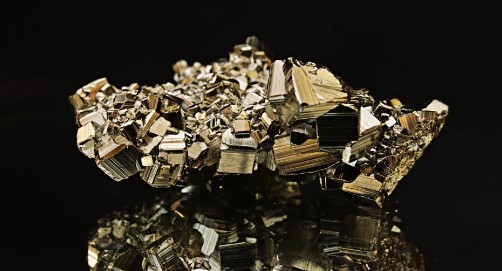
A recent study highlighted by ScienceDaily reveals an unexpected source of lithium, a critical element for modern batteries, hidden within pyrite, commonly known as “fool’s gold.” This discovery challenges long-held assumptions about where valuable resources can be found and could reshape how lithium is sourced in the future.
Lithium is essential for technologies ranging from smartphones to electric vehicles, but its extraction is often resource-intensive and environmentally disruptive. Traditionally, lithium is mined from specific mineral deposits or extracted from brines, processes that require significant energy and water. The new research suggests that lithium may also be present in pyrite embedded within ancient shale formations, a finding that had previously gone unnoticed.
The significance lies not only in identifying a new lithium source but in where it exists. Pyrite is abundant and often found in industrial waste or byproducts from other mining operations. This raises the possibility of recovering lithium from existing materials rather than opening new mines. Such an approach could reduce environmental impact while improving resource efficiency.
The study indicates that lithium becomes trapped within the structure of pyrite under specific geological conditions. While the concentrations may vary, the widespread presence of pyrite suggests that even modest extraction yields could add up significantly at scale. Researchers are now exploring methods to efficiently extract lithium from these sources, a step that will determine the practical viability of the discovery.
If scalable, this approach could shift the economics of lithium production. By tapping into previously overlooked materials, industries could diversify supply chains and reduce reliance on conventional mining regions. This is particularly important as demand for lithium continues to surge with the global transition to renewable energy and electric mobility.
The broader implication extends beyond lithium. The discovery underscores the potential of reexamining common minerals and industrial waste streams for hidden value. It reflects a growing trend in resource science, where innovation focuses not just on finding new deposits but on extracting more from what already exists.
This work points toward a more sustainable model of resource utilization, where efficiency and reuse play a central role in meeting future energy demands.
