

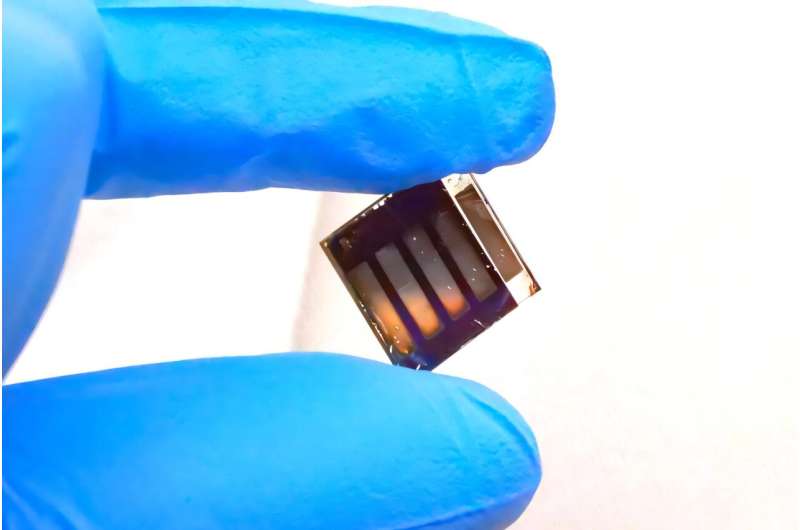
A new study highlighted by Tech Xplore raises concerns about the safety of emerging indoor solar technologies, particularly those based on perovskite materials. These photovoltaic cells are designed to operate efficiently under low-light conditions, making them attractive for powering small electronics inside homes and offices. However, researchers warn that their chemical composition may introduce overlooked health and environmental risks.
Perovskite solar cells often contain lead, a toxic heavy metal that can pose serious hazards if released. While the material is typically encapsulated within the device, the study suggests that degradation over time, especially in indoor environments where temperature and humidity fluctuate, could lead to leakage. This raises questions about long-term exposure risks, particularly as such devices are integrated into everyday objects such as sensors, smart home devices, and Internet of Things systems.
The researchers emphasize that indoor use presents a distinct challenge. Unlike large outdoor panels, which are subject to strict handling and disposal regulations, smaller indoor devices may be used casually and discarded without proper safeguards. This could increase the likelihood of lead entering household environments or waste streams.
Despite these concerns, perovskite technology remains highly promising due to its efficiency, low manufacturing cost, and ability to harvest energy from artificial light. Scientists are actively exploring alternative compositions and improved encapsulation techniques to reduce or eliminate toxic elements.
The study does not call for abandoning indoor solar applications but instead highlights the need for careful design, regulation, and lifecycle management. As the push for self-powered electronics grows, ensuring that these technologies are not only efficient but also safe will be critical to their widespread adoption.
